Success Tutoring Franchise Explained: Answers to the Most Common Questions
Our franchise recruitment team and founder Michael Black answer the questions prospective partners ask most: the membership model, finding a site, getting students, tutors, training, the agreement, exit and risk.

By Michael Black
Founder & Global CEO
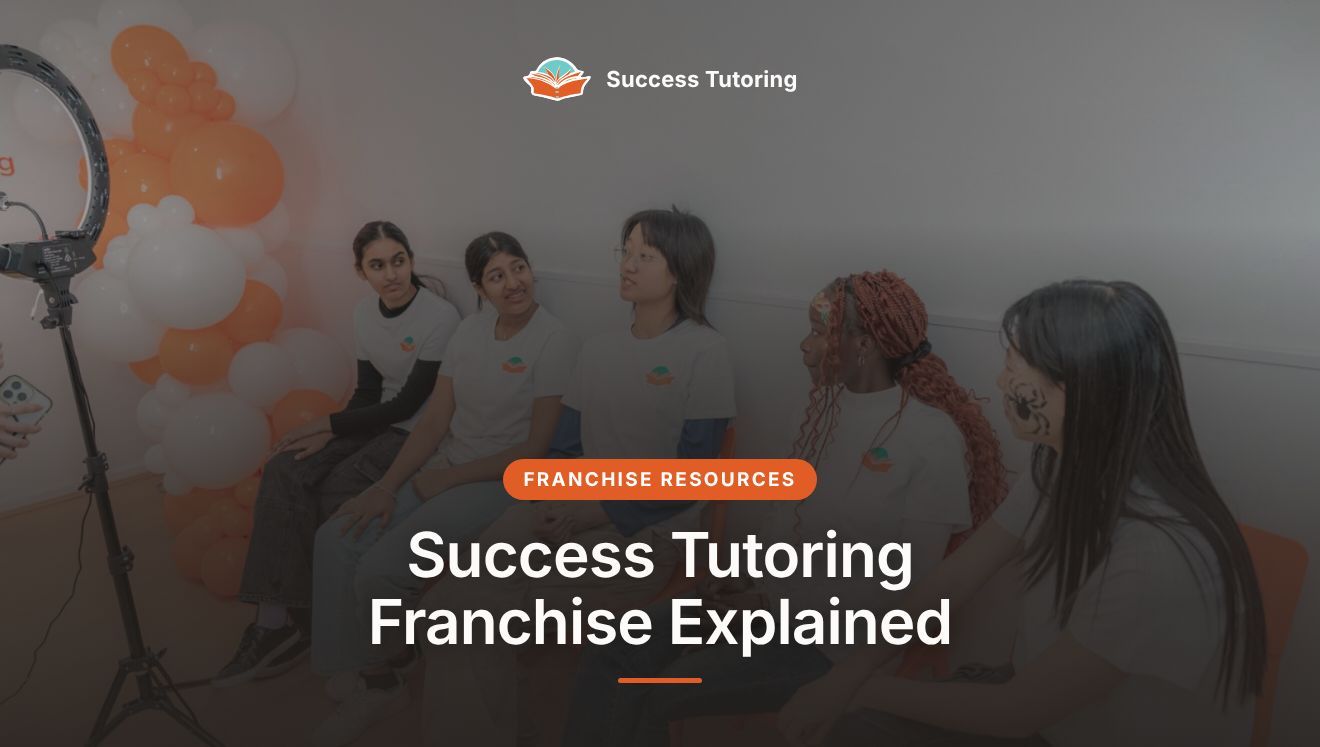
When people first enquire about the Success Tutoring franchise, the same questions come up again and again. What exactly is the business? Who finds the location? Where do the students come from? Who hires the tutors? What happens if I want to sell one day? In the video below, Success Tutoring's head of global franchise recruitment works through those questions one by one, in the order she hears them most.

This article sums up her answers, adds a few points from founder Michael Black and from a shorter video on the franchise model, and turns them into practical takeaways. It is written for anyone weighing up a tutoring franchise, whether you are a career changer, a parent, an investor or a first-time business owner. It is general information: the terms that actually apply to you are set out in the franchise agreement and disclosure documents, and you should read those with your own lawyer and accountant.
What is Success Tutoring?
Success Tutoring is a membership-based education franchise offering personalised English and Mathematics tutoring for school-age students in retail-style learning centres. But the recruitment team is keen to stress that the business is about more than marks. "At its core, we are not just a tutoring business," she says. The brand is built on three values: motivate, inspire and uplift. The goal, in her words, is to help students build "confidence, consistency and a positive relationship with learning, not just better grades".
From the business side, she describes three building blocks: a gym-style recurring membership model, centralised systems and processes, and a franchise structure that allows partners to grow to more than one site. "This allows franchise partners to build a real business, not just buy themselves a job," she says.
How the membership model works
Michael Black, who founded Success Tutoring, explains the model in his own short video for prospective partners. "Our business model works very similar to a gym membership," he says. Parents download the Success Tutoring app, pick a location and a membership, and pay weekly rather than by the hour, with no lock-in contracts.
When a student joins, they complete an assessment and then receive a personalised learning program. The recruitment team describes this as the core difference: "Everything we do is personalised to the individual student because every child learns differently." The approach is tailored to a student's ability, confidence and learning style, not just their year level.
Why a membership rather than hourly sessions? According to the video, a membership encourages consistency, takes pressure off families and helps students build long-term learning habits.
Two ways to own a centre
Michael also points out that there is more than one way to run a Success Tutoring centre:
- As an owner-operator, managing the centre yourself day to day.
- As an investor, hiring a manager to run the centre.
Which suits you depends on your time, skills and goals. Either way, it is worth asking how the role of the owner differs in each set-up, and what training a manager would receive.
Who finds the location?
The short answer: you do, with support. The video explains that franchise partners find their site with help from a global leasing coordinator, who may assist with site criteria, suburb analysis, lease guidance and fit-out requirements. As she puts it: "You are never doing this alone, but you are involved because local knowledge matters."
That balance makes sense. You know your area, the schools and how families move around it; head office knows what a workable centre looks like. For a deeper look at site selection, see our separate guide to choosing a tutoring centre location.
Where do students come from?
She calls this "one of the biggest questions, and rightly so". The support she describes includes digital marketing within a structured framework, local launch campaigns, sales scripts and enrolment processes, and ongoing national marketing.
The part that surprises some prospective partners is that they are trained to do more than generate enquiries. Partners learn to explain to families what makes Success Tutoring different and to convert interested families into members. In other words, sales and conversations with parents are a real part of the job, especially early on.
How tutors are hired and trained
Tutors are hired locally and trained centrally through Success Academy, the online training platform used for tutors, managers and franchise partners. Michael adds that tutors are often university students working part-time or casually. The recruitment team describes hiring frameworks, interview guides, onboarding systems and ongoing tutor training modules.
What are they looking for in a tutor? "We don't just look for academic ability, we look for personality, empathy and communication," she says. We cover how that training keeps standards consistent across the network in a companion article on how Success Tutoring maintains quality.
Inside the franchise model
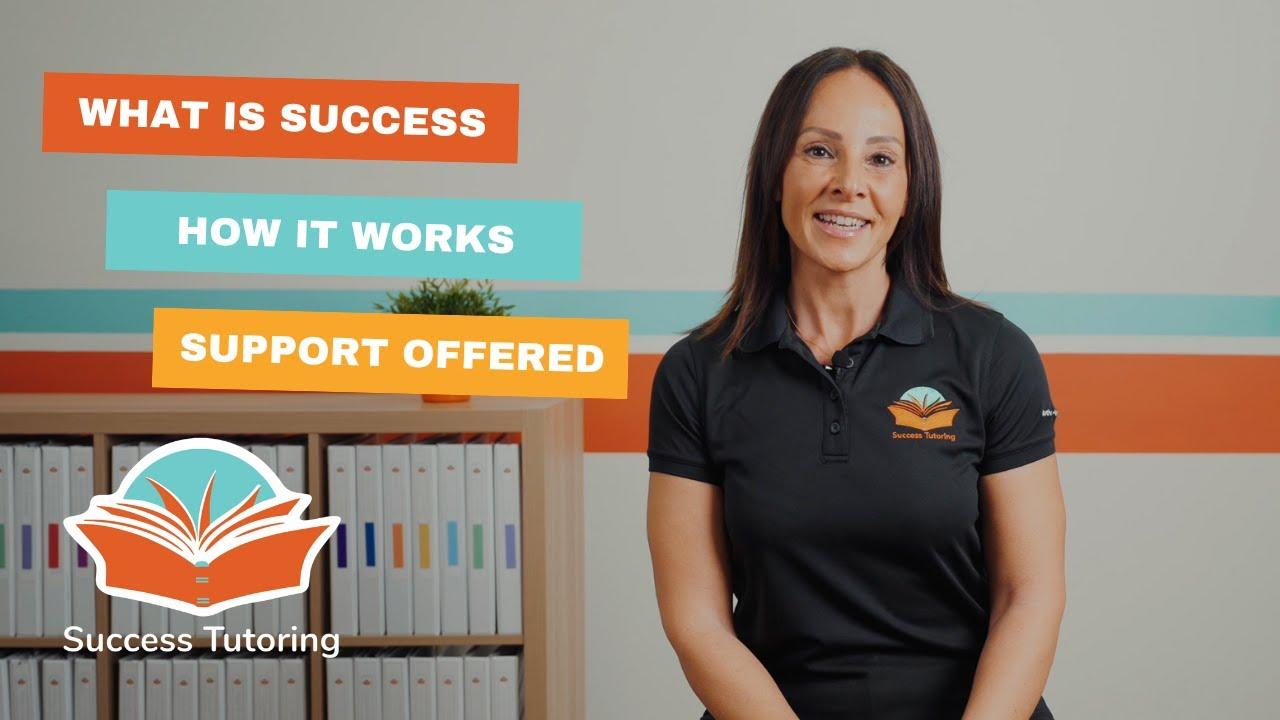
A second, shorter video from the team gives a quick tour of the model: the app, the student assessment, the personalised program, the onboarding period before grand opening, help from the leasing coordinator, a dedicated growth and performance manager, and regular strategy calls where franchise partners share best practice.
Training and ongoing support
According to the recruitment team, training covers online pre-launch training, sales and enrolment, marketing and operations, tutor hiring and management, and understanding the financials and KPIs. She says training "continues well beyond launch".
Ongoing support described in the video includes an onboarding and support team, regular coaching and check-ins, marketing and performance support, access to updated systems and resources, and a national and global franchise network. Her summary: "You're in business for yourself but not by yourself." The exact support available to you is set out in the franchise agreement and disclosure documents, so read those closely and ask current partners how it works in practice.
The agreement, the rules and selling one day
On the agreement term, the video describes a five-year agreement with two options to renew for a further five years each. Treat this as a summary only and confirm the terms in your own documents.
On what you can and cannot do, the answer is refreshingly direct. You can build a team, grow your business, focus on leadership and impact, and give feedback to head office to help improve the system. You cannot change the brand, offer unapproved services or operate outside the system. "This consistency protects every franchise partner and the brand as a whole," she says.
On exit, partners may sell their centre, sell several centres together if they have built a multi-site group, or transfer the business to an approved buyer such as a family member or third party, subject to franchisor approval. She is honest about it, too: "Selling a business is not easy." Her point is that a centre built on documented systems and a recognised brand, rather than on the owner being present every day, may be easier for a future buyer to take on.
Risk, effort and fit
The most useful part of the video for many viewers will be the frank answers on risk and fit. "Like any business, there is risk," she says. "The biggest risk is not following the system or underestimating the effort required in the early stages."
She is equally clear about who the opportunity is not for: "Those looking for a passive or hands-off experience from day one are not the right fit, and we're very clear about that up front." The partners she sees doing well follow the system, stay engaged and treat it like a real business.
Practical takeaways
- Expect to sell. Converting enquiries into members is a skill you will be trained in and will use.
- Expect to be involved in your site. Local knowledge matters, even with leasing support.
- Decide owner-operator or investor early. It shapes your budget, your role and your hiring.
- Read the rules as well as the support. Consistency rules protect the brand, but they limit how much you can change.
- Ask about the cost properly. The video says the investment varies with location, rent and fit-out. Review the investment schedule and get your own financial advice.
Frequently asked questions
Do I need to be a teacher to own a Success Tutoring franchise?
No. Many franchise partners come from corporate, engineering, finance and small-business backgrounds. Tutors are hired locally and trained through Success Academy.
Can I own a Success Tutoring centre without running it day to day?
Michael Black describes two ways to own a centre: as an owner-operator, or as an investor who hires a manager. Discuss which suits you during the enquiry process.
Who chooses the location for a Success Tutoring centre?
The franchise partner finds the location, with support from a global leasing coordinator on site criteria, suburb analysis, lease guidance and fit-out requirements.
Is a tutoring franchise a passive investment?
Not in the team's view. The video says people looking for a passive or hands-off experience from day one are not the right fit, and that the biggest risk is underestimating the effort needed early on.
If you have watched the videos and want to go further, start with why franchise partners choose Success Tutoring, see what the process looks like from enquiry to opening, and hear directly from partners in our franchise stories. As the recruitment team puts it, the aim of every conversation is to make sure it is the right fit for both of you.

By Michael Black
Related Resources

Why a Teacher Brought a Tutoring Franchise to New Zealand: Tom's Story at Success Tutoring Northwest
Tom, franchise partner of Success Tutoring Northwest, the first Success Tutoring centre in New Zealand, explains how teaching, legal and business experience led him to open a tutoring franchise.

From New Parent to First-Time Business Owner: A Tutoring Franchise Partner's Story
A Success Tutoring franchise partner shares why the birth of their first child, and years spent around education, led them to open their own tutoring centre with no prior business experience.

From Electrical Engineer to Success Tutoring Franchise Partner: Thomas's Story
Thomas spent more than 20 years as an electrical engineer and project manager. Now he runs a Success Tutoring centre in Brisbane alongside a part-time engineering role. Here is why he made the move and what his days look like.