Why a Teacher Brought a Tutoring Franchise to New Zealand: Tom's Story at Success Tutoring Northwest
Tom, franchise partner of Success Tutoring Northwest, the first Success Tutoring centre in New Zealand, explains how teaching, legal and business experience led him to open a tutoring franchise.

By Michael Black
Founder & Global CEO

Many teachers love working with students but reach a point where they want to build something of their own. In this franchise partner testimonial, Tom, the franchise partner of Success Tutoring Northwest, explains how years in the classroom, an earlier career in the legal and business sector, and time working for other tutoring providers led him to bring a tutoring franchise to New Zealand. Success Tutoring Northwest was the first Success Tutoring centre in New Zealand, the brand's first overseas market. This article covers his background, why he chose the Success Tutoring model, what he values about running his own centre and what his story suggests for teachers and educators considering the same step.
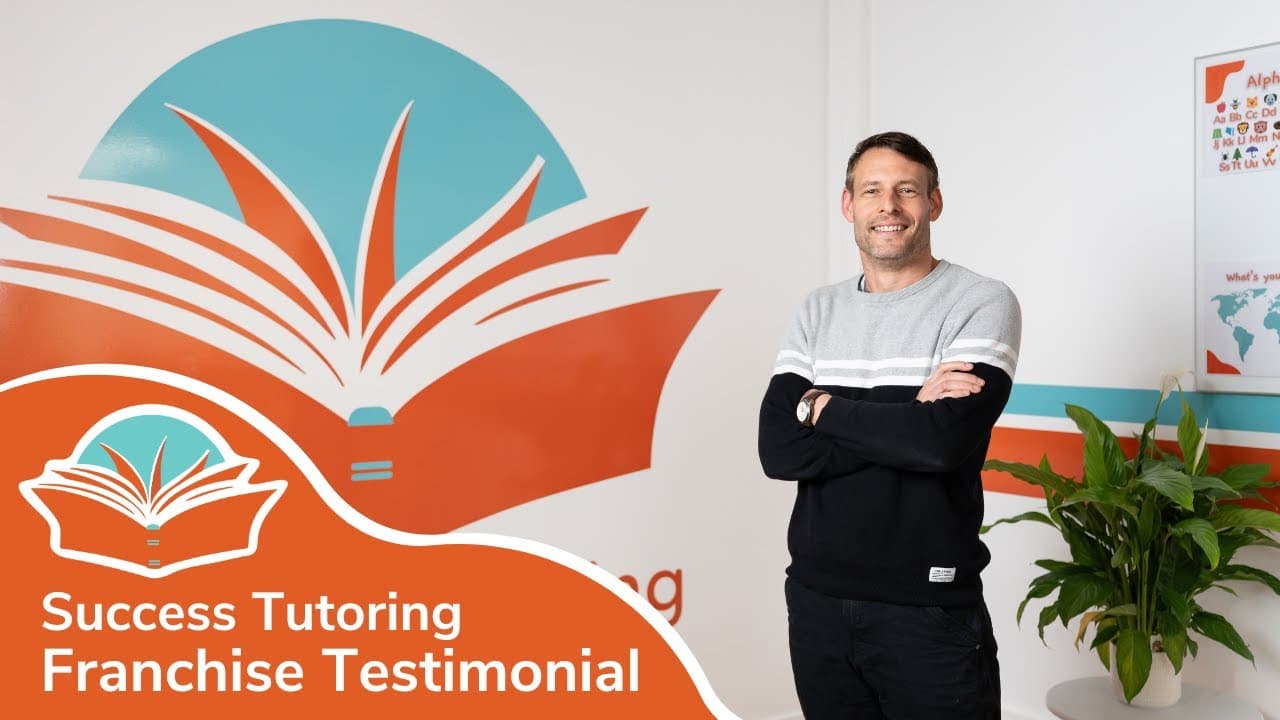

If you are a teacher, a tutor or a professional with an education background wondering whether a tutoring franchise could suit you, Tom's account is a useful insight into the motivations behind the decision. It is one partner's personal experience, not a forecast of anyone else's.
A background in teaching, law and business
Tom introduces himself as a long-serving teacher who worked in the legal and business sector before moving into education.
"That combination gave me a strong foundation in both education and business management."
That mix is worth noting. Running a tutoring centre involves both sides: understanding how students learn and what families need, and handling the practical work of a business, from leading a team to managing day-to-day operations. Tom felt his earlier career had prepared him for the business side, while his years of teaching gave him a deep understanding of students.
He also spent time working for established New Zealand tutoring providers. He says that experience helped him see first-hand "what works and what doesn't" in the tutoring industry, and showed him gaps he believed a different approach could fill.
You do not need to be a teacher to become a Success Tutoring franchise partner. Partners come from corporate, engineering, finance and small-business backgrounds as well as education. But for educators like Tom, classroom experience can be a valuable foundation for leading tutors and connecting with families.
Seeing a gap in the New Zealand tutoring market
Tom's time inside the industry shaped his view that New Zealand families were looking for something different.
"New Zealand families deserve access to something fresh, modern and effective in education."
When he looked at the Success Tutoring approach, he says several elements stood out: the membership model, technology such as the parent app, and personalised teaching. He describes the model as "refreshing and innovative" compared with what he had seen elsewhere.
That outlook led to a clear ambition. Tom says he wanted to be the one to introduce the Success Tutoring system in New Zealand and help children thrive. Being first in a new market is a particular kind of challenge: there is no local centre down the road to compare notes with, so partners in that position rely heavily on the franchisor's systems, training and head office team, alongside their own local knowledge.
Wanting to build something of his own
The most personal part of Tom's story is his description of how he felt before joining.
"Before Success Tutoring, I felt like I was working hard but not building something truly my own."
Many teachers will recognise that feeling. Teaching is meaningful work, but it does not usually come with ownership or the ability to shape an organisation. Tom says that, as a teacher, he loved helping students but wanted to make a bigger impact, not just on students but on families and his local community.
He describes Success Tutoring as giving him a balance between running his own business and doing something meaningful. For prospective partners, that balance is worth thinking about carefully. Owning a centre means taking on responsibility for a team, a premises and a business, alongside the rewarding work of helping students. Being honest about whether you want both sides is an important part of deciding.
What drew him to the Success Tutoring model
Tom explains that he sees the model as designed for today's busy families. He highlights a few features in particular:
- Membership model. Families join as members rather than booking casual sessions. Tom says parents value the flexibility this gives them.
- Small-group, face-to-face learning. He describes the program as combining educational research with face-to-face teaching in small groups, so students get a personal, engaging learning experience.
- Technology for parents. He points to the parent app as part of what makes the model feel modern.
- Systems and processes. As a business owner, he values having systems and processes already set up for him to work within.
Success Tutoring works with students from kindergarten to Year 12, with a core focus on English and Mathematics, in retail-style learning centres. Support for partners may include launch and marketing support, tutor recruitment and training, learning resources and ongoing help from the head office team, as set out in the franchise agreement and disclosure documents. You can read more on the launch support page.
The most rewarding part
Asked what he enjoys most, Tom talks about the families and students at his centre. He says parents have told him their children actually enjoy coming to tutoring, which they did not expect.
"For me, that's the most rewarding part: seeing students excited about learning."
For a teacher, that kind of feedback speaks directly to why he moved into tutoring in the first place. It is a reminder that, for many partners, the day-to-day satisfaction of the role comes from the students and families as much as from owning a business.
Takeaways for teachers considering a tutoring franchise
Tom's story offers some practical lessons for educators weighing up a tutoring franchise:
- Your teaching experience is relevant. Understanding how students learn can help you lead tutors and talk with parents, even though partners do not need to be teachers.
- Be honest about the business side. Tom had legal and business experience before teaching. If you do not, ask what franchise training is offered and how it covers areas such as hiring, marketing and operations.
- Use what you have seen in the industry. If you have worked for other providers, think about which gaps you would want to fill, and check whether the franchisor's model genuinely addresses them.
- Consider what being first means. Opening in a new region or market can be exciting, but it brings its own challenges. Ask how a franchisor supports partners in newer markets.
- Do your due diligence. Speak with existing partners, read the disclosure documents carefully and seek independent legal and financial advice.
Frequently asked questions
Do I need to be a teacher to own a Success Tutoring franchise?
No. Tom is a teacher, but Success Tutoring franchise partners also come from corporate, engineering, finance and small-business backgrounds. Partners run the business and lead a team of tutors.
Is Success Tutoring available in New Zealand?
Yes. New Zealand was Success Tutoring's first overseas market, and Success Tutoring Northwest was the first centre there. You can check current opportunities on the franchise territories page.
What attracted Tom to the Success Tutoring model?
He says he was drawn to the membership model, the parent app, personalised small-group teaching and the systems and processes available to franchise partners, along with the chance to build a business of his own while doing meaningful work.
What support does a new franchise partner receive?
Support may include launch and marketing support, tutor recruitment and training, learning resources and ongoing help from the head office team. What is provided is set out in the franchise agreement and disclosure documents.
Take the next step
If Tom's story resonates with you, you can read more franchise partner stories, explore available franchise territories, or see how the franchise process works from first conversation to opening.
This article shares one franchise partner's personal experience and is general information only. It is not a forecast of results and not financial or legal advice. Review the franchise disclosure documents and seek independent advice before making any decision.

By Michael Black
Related Resources

From New Parent to First-Time Business Owner: A Tutoring Franchise Partner's Story
A Success Tutoring franchise partner shares why the birth of their first child, and years spent around education, led them to open their own tutoring centre with no prior business experience.

From Electrical Engineer to Success Tutoring Franchise Partner: Thomas's Story
Thomas spent more than 20 years as an electrical engineer and project manager. Now he runs a Success Tutoring centre in Brisbane alongside a part-time engineering role. Here is why he made the move and what his days look like.

From Fashion Designer to Success Tutoring Franchise Partner: Malini's Story
Malini began her career as a fashion designer. Today she owns Success Tutoring Riverstone. She shares why she chose a tutoring franchise, what drives her and her advice for anyone thinking of taking the leap.