Why Tutoring Demand Is Booming: Michael Black in the Media
Three broadcast segments, from AusBiz, 7 News Melbourne and Ticker News, on why families are turning to tutoring: personalised learning, mentoring, migration, scholarships and the debate about regulating the industry.

By Michael Black
Founder & Global CEO
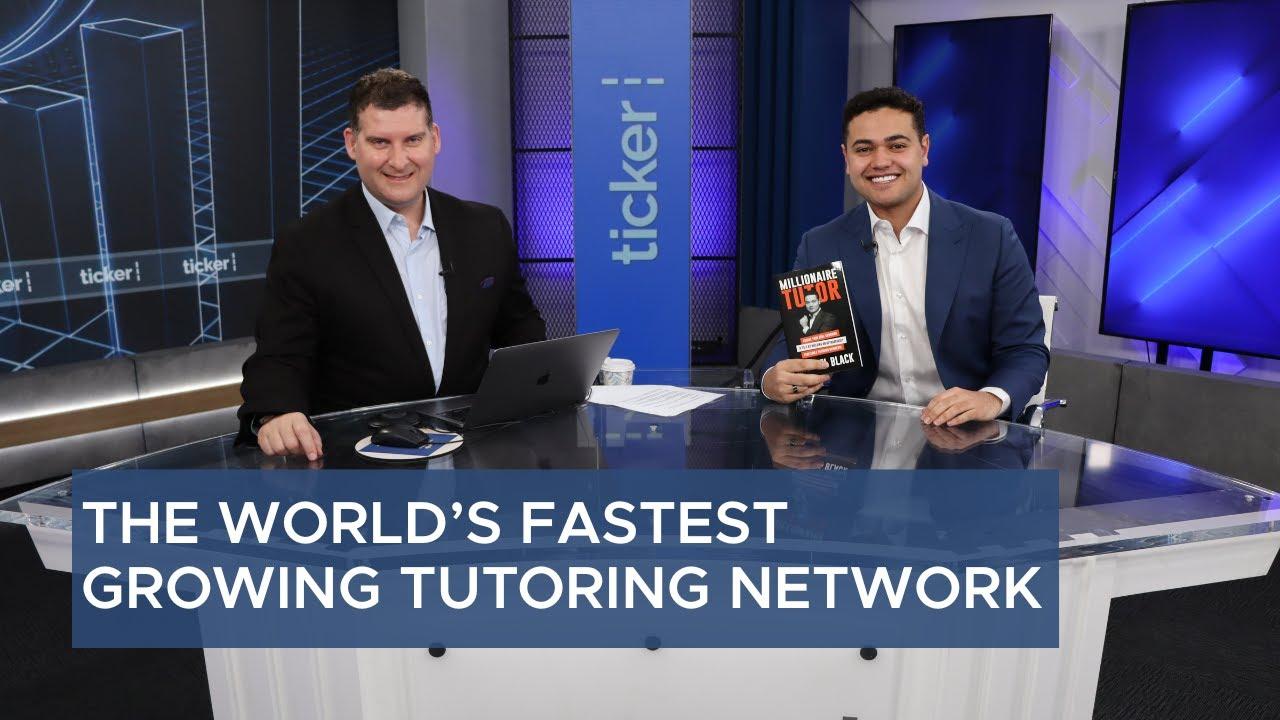
Why are so many families paying for tutoring, and what does that mean for someone weighing up a tutoring franchise? Success Tutoring founder Michael Black has discussed that question in several media appearances, and tutoring has also been the subject of mainstream news coverage. This article brings together three segments, an interview on AusBiz, a 7 News Melbourne report and a studio interview on Ticker News, and draws out the reasons families give for choosing tutoring and the trends the presenters raised. It is written for anyone researching the tutoring sector before deciding whether a tutoring franchise suits them.



A standardised system, and children who don't fit it
The theme Michael returns to most often is the gap between how schools are designed and how individual children learn. On AusBiz he put it this way: "We all know the education system, not just in Australia but across the globe, is a standardised approach. At Success Tutoring, it's a personalised learning experience for each individual child."
He made the same point on Ticker News, describing the school system as designed around "a standardised approach" and arguing that a "personalised approach to education is number one."
This is not a criticism of teachers. A classroom teacher works with a whole class and a set program. Some students are ahead of it, some are behind and some have gaps from earlier years that never quite closed. Many parents look for tutoring because they want someone to focus on their child specifically.
Starting with an assessment
Michael explained on AusBiz how that personalisation works in practice at Success Tutoring. Each student starts with an assessment, and a learning program is then built around what that student needs.
"There's no point going through content that they've already mastered," he said. The idea is to spend a student's time on the material they actually need help with, rather than repeating what they already know.
For parents, this is often the practical appeal of tutoring: they are not paying for more of the same, but for time aimed at their child's particular gaps. For a prospective franchise partner, it is a reminder that a tutoring centre is ultimately judged by families on whether their child is engaged and making progress, and that the learning system behind the centre matters.
Mentors, not just lessons
The AusBiz host asked Michael how important mentoring is. His answer pointed to an experience most people recognise: "The subjects that they love the most are the subjects that they had the best teachers and the best mentors."
He explained that Success Tutoring brings on board university and college students as tutors, rather than hiring only qualified teachers, and that the relationship between tutor and student is central. In his view, students do better when they enjoy the learning process and enjoy being at the centre.
This is one reason families choose tutoring beyond pure academics. A tutor who is a little older than the student, relatable and encouraging can change how a child feels about a subject. For anyone considering a franchise, it also highlights how much of the business is about people: recruiting, training and keeping good tutors. You can read more about tutor recruitment and tutor training support that may be provided under the franchise agreement.
Migration and a global need for education
When the AusBiz host asked whether tutoring can help students from disadvantaged backgrounds get a leg up, Michael connected demand to migration. "As Australia is bringing more and more migrants into Australia, I think there's more need for education," he said, adding that "not just in Australia but across the world there's a large shift of people moving from different countries."
Families who have moved countries often want help with a new curriculum, a new school system or, for some children, a new language of instruction. Many also arrive with high expectations of education. Michael said this need is part of why tutoring is growing beyond Australia.
Scholarships, competition and the push for an edge
The 7 News Melbourne report looked at a different driver: competition. It described parents seeking "an academic edge" for their children, including families using private tutoring to help their children win scholarships, both for private secondary schools and at university. One university student interviewed said a scholarship had substantially reduced the cost of her degree.
The report also featured a family whose young son had been tutored from an early age, with his mother speaking about the expectations that can come with education in some families. These stories reflect a reality of the sector: some families use tutoring to catch up, while others use it to get ahead or to prepare for selective entry and scholarship tests.
The debate about regulation
The 7 News segment did not present tutoring as uncontroversial. It reported calls for the industry to be regulated, with one person interviewed saying: "I'd prefer greater disclosure around the actual qualifications and experience tutors have." The report noted that UNESCO describes tutoring as a global phenomenon and flagged concerns that would be debated, including social inequality, the academic burden on children and skewed learning.
These are fair questions, and anyone entering the sector should take them seriously. Families increasingly want to know who is teaching their child, how tutors are screened and trained, and how progress is measured. A tutoring business that can answer those questions clearly is better placed to earn trust. For the published research behind these debates, see our round-up of tutoring industry statistics.
Why people are choosing to run tutoring businesses
The other trend Michael discussed, on both AusBiz and Ticker News, was on the supply side: why people are leaving corporate careers to run their own tutoring centres. On Ticker News he said many people coming to Success Tutoring have "quite frankly had enough of their 9 to 5" and are looking to start their own business.
He also described his own beginnings. He started tutoring at 17 to earn some extra money while studying a Bachelor of Commerce, and built the business from a spare room in his parents' home in Western Sydney. "We didn't have a fancy office or big investors," he told Ticker News, adding that the aim was "to provide good quality service for students."
He was candid that running a business is demanding. "Business has the highest highs and the lowest lows," he said, and "it's always harder than you think." His advice to franchise partners is to stay resilient: "Your business only grows to the extent that you grow as an individual."
Practical takeaways if you are considering a tutoring franchise
- Understand why local families tutor. Catching up, getting ahead, settling into a new school system and preparing for scholarships are different needs. Find out which matter most in your area.
- Look at the community, not just the headline trend. National coverage describes the sector, not a particular suburb. Our franchise territories page shows the demographics and schools in each area.
- Take the regulation debate seriously. Be ready to explain tutor screening, training and how you track each child's progress.
- Be honest about the workload. A centre-based tutoring business is hands-on: leasing a site, recruiting tutors and building relationships with families.
- Read the documents. Media interviews are not a substitute for the disclosure document and franchise agreement, and independent legal and financial advice.
Frequently asked questions
Why do families use tutoring?
In these segments the reasons include wanting personalised attention that a standardised classroom cannot always give, closing gaps in a child's learning, building confidence through a good mentor, adjusting to a new country's school system, and preparing for scholarships or selective entry.
What makes personalised tutoring different from school?
As Michael Black describes it, a student starts with an assessment and then follows a program built around what they need, so time is not spent on content they have already mastered.
Is the tutoring industry regulated in Australia?
The 7 News Melbourne report described calls for the industry to be regulated, including greater disclosure of tutors' qualifications and experience. Anyone entering the sector should follow the debate and be transparent with families about how tutors are recruited and trained.
Does strong demand for tutoring mean a franchise will succeed?
No. Sector trends do not determine how any individual centre performs. Results depend on the location, local competition, the franchise system and how the business is run. Review the disclosure documents and seek independent advice before deciding.
Learn more
If the trends in these interviews resonate with you, start by reading why we think tutoring is worth investing in, then hear directly from partners in our franchise stories, and see the process for how a conversation with our team leads to disclosure documents and a decision about a tutoring franchise.

By Michael Black
Related Resources

Why a Teacher Brought a Tutoring Franchise to New Zealand: Tom's Story at Success Tutoring Northwest
Tom, franchise partner of Success Tutoring Northwest, the first Success Tutoring centre in New Zealand, explains how teaching, legal and business experience led him to open a tutoring franchise.

From New Parent to First-Time Business Owner: A Tutoring Franchise Partner's Story
A Success Tutoring franchise partner shares why the birth of their first child, and years spent around education, led them to open their own tutoring centre with no prior business experience.

From Electrical Engineer to Success Tutoring Franchise Partner: Thomas's Story
Thomas spent more than 20 years as an electrical engineer and project manager. Now he runs a Success Tutoring centre in Brisbane alongside a part-time engineering role. Here is why he made the move and what his days look like.