Sri Lanka · Opportunity market
Tutoring Franchise Colombo
Tuition classes are a way of life in Colombo, from the Grade 5 scholarship exam to O/Ls and A/Ls. Success Tutoring is seeking franchise partners, and a master franchise partner for Sri Lanka, to open K–12 tutoring centres.
- Estimated territories in larger cities
- 31
Figures are census-based totals for the available and reserved territories on the Success Tutoring territory map. Sold territories are not shown. Estimates for unmapped cities assume about 50,000 residents per territory.
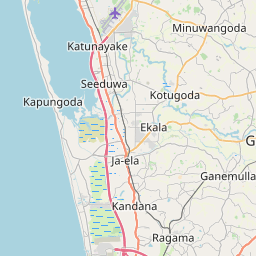
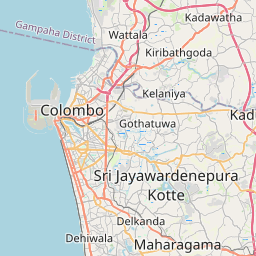
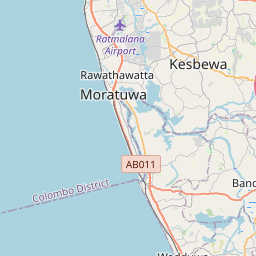
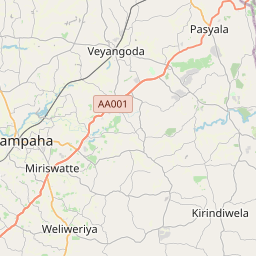
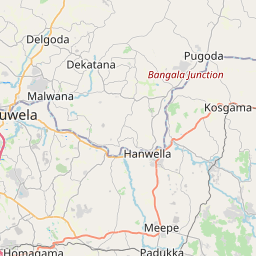
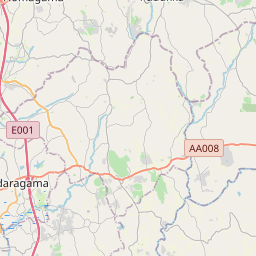
Territory map of Colombo
Dashed circles mark larger cities and towns where territories have not been mapped yet; their size reflects the estimated number of territories.




Territory data last updated .
In Colombo, weekends belong to tuition classes. Students move between mass lecture halls, small-group classes and home tutors, and parents plan their week around the timetable. Few cities have a tuition culture as deep as Sri Lanka's capital. For anyone considering a tutoring franchise in Colombo, the opportunity is not to create demand but to offer a more structured, personal alternative to crowded classes.
Success Tutoring has no centre in Sri Lanka yet. We are seeking franchise partners in Colombo and the wider Western Province, and a master franchise partner for the country. Territories are drawn with partners around specific suburbs.
Sri Lanka's exam milestones
The Ministry of Education sets national policy and the National Institute of Education (NIE) develops the curriculum. The Department of Examinations runs three exams that shape every Sri Lankan childhood:
- The Grade 5 Scholarship Examination, which offers bursaries and, for high scorers, places in popular national schools. It is famously competitive, and many children start preparing years before Grade 5.
- The G.C.E. Ordinary Level (O/L), taken at the end of Grade 11, which decides who moves on to A/Ls and in which stream.
- The G.C.E. Advanced Level (A/L), taken at the end of Grade 13 in streams such as physical science, biological science, commerce, arts and technology. University places in state universities are allocated by the University Grants Commission using Z-scores, and competition for medicine and engineering is fierce.
Education policy has been debated widely in recent years, including proposals to reform the curriculum and reduce exam pressure on young children. Parents follow these discussions closely.
Colombo's school landscape
Colombo has many of the country's best-known national and government schools, which are heavily oversubscribed. Alongside them are private schools following the national curriculum, and a large number of international schools teaching the British curriculum through to Cambridge or Pearson Edexcel O levels and A levels, plus a smaller number of IB schools. International schools are especially concentrated in Colombo and its suburbs.
Students in national schools study in Sinhala, Tamil or English medium, and English is widely seen as a key to university and career success.
Why Colombo families invest in tuition
Demand is driven by exam pressure at every stage:
- The Grade 5 scholarship, which pushes tuition into the primary years.
- O/L results, especially in maths and English, which shape A/L stream choices.
- A/L Z-scores, where small differences can decide a university place.
- International school families preparing for Edexcel or Cambridge exams and overseas university applications.
- English proficiency, which parents across every school type want for their children.
Mass tuition classes can hold hundreds of students in a single hall. Many parents want something more personal for younger children, with a clear programme and regular progress updates, and that is where a centre-based membership model fits.
Where a centre could work in greater Colombo
Families have spread from the city's central districts into the suburbs. Areas with potential include:
- Colombo 3, 4, 5 and 7, including Kollupitiya, Bambalapitiya, Havelock Town and Cinnamon Gardens, central areas with leading schools.
- Nugegoda, Maharagama and Kottawa, busy suburbs to the south-east with many families and tuition hubs.
- Rajagiriya, Battaramulla and Sri Jayewardenepura Kotte, the administrative capital and its fast-growing surrounds.
- Dehiwala, Mount Lavinia and Moratuwa, coastal suburbs to the south with a large school-age population.
- Malabe and Kaduwela, growing areas to the east with private universities and new housing.
- Wattala, Kelaniya and Kiribathgoda, northern suburbs along the Kandy and Negombo roads.
We would map each territory in greater Colombo with its partner, using residents, schools and existing tuition classes, and each would have one holder.
Partnering with Success Tutoring
Success Tutoring was founded by Michael Black in Sydney in 2017 and franchises centres across Australia. Its approach of small groups, weekly sessions and a written curriculum is close to what Sri Lankan parents look for in a good primary-level tuition class, but delivered consistently in a dedicated centre.
Support for a Colombo partner can include the Success Kit and operating system, help finding and fitting out premises on a main road or in a suburban commercial hub, recruitment and online training for tutors, learning resources and a structured program, and launch and marketing support for a new centre. Ongoing support comes from the Success Tutoring team, and its scope is set out in the franchise agreement and disclosure documents.
No teaching background is needed. Many partners come from finance, engineering and corporate careers.
Frequently asked questions
How is Success Tutoring different from a mass tuition class?
Mass classes often focus on exam lectures for large groups. Success Tutoring is a membership programme with small-group sessions every week, trained tutors and a structured program.
Would a centre help with Grade 5 scholarship preparation?
Success Tutoring's sessions aim to strengthen the foundations that primary-level exams draw on. Any exam-specific content for the scholarship would be planned with the partner for the local market.
What laws apply to franchising in Sri Lanka?
Sri Lanka has no franchise-specific disclosure law. Franchise agreements are governed by contract, company and intellectual property law, and foreign exchange rules may apply to payments. Seek independent legal advice in Sri Lanka before signing.
Read the guide to opening a tutoring franchise in Sri Lanka, see how the process works, or explore our franchise stories.
Cities and towns in Colombo not yet mapped
These cities and towns of 50,000 or more people have no territories on the map yet. A franchise partner who wants one of them can work with us to draw a new territory.
| City or town | Residents | Estimated territories |
|---|---|---|
| Colombo | 648,034 | 13 |
| Dehiwala-Mount Lavinia | 219,827 | 4 |
| Moratuwa | 185,031 | 4 |
| Pita Kotte | 118,179 | 2 |
| Sri Jayewardenepura Kotte | 115,826 | 2 |
| Battaramulla South | 75,633 | 2 |
| Maharagama | 66,576 | 1 |
| Kotikawatta | 64,565 | 1 |
| Kolonnawa | 58,076 | 1 |
| Hendala | 56,978 | 1 |
Population figures from GeoNames (latest available). Territory estimates assume about 50,000 residents per territory and are indicative only.
Explore nearby
Secure a territory in Colombo
Talk to our franchise team about the territory you want, the investment and the support available.