Malaysia · Opportunity market
Tutoring Franchise Kuala Lumpur
Success Tutoring is seeking franchise partners and a master franchise partner for Malaysia, starting with the Klang Valley, where SPM pressure and a deep tuition culture meet some of the country's fastest-growing family suburbs.
- Estimated territories in larger cities
- 74
Figures are census-based totals for the available and reserved territories on the Success Tutoring territory map. Sold territories are not shown. Estimates for unmapped cities assume about 50,000 residents per territory.
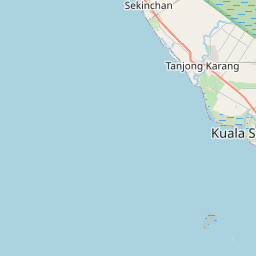
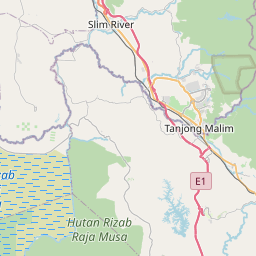
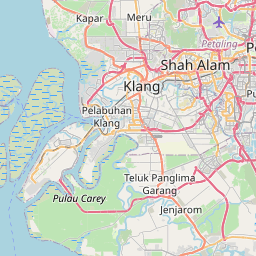
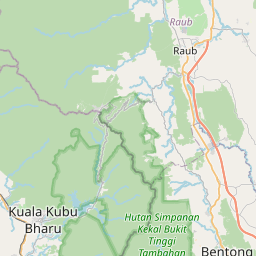
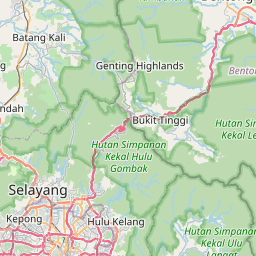
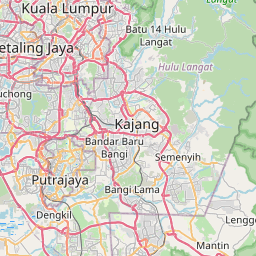
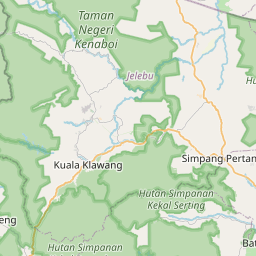
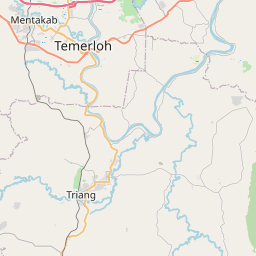
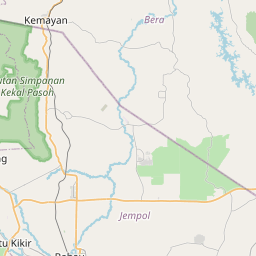
Territory map of Kuala Lumpur
Dashed circles mark larger cities and towns where territories have not been mapped yet; their size reflects the estimated number of territories.













Territory data last updated .
Kuala Lumpur and the wider Klang Valley form Malaysia's largest and most competitive education market. Shoplot tuition centres sit above cafés from Cheras to Kepong, and parents in Petaling Jaya, Subang Jaya and Shah Alam talk about tuition timetables the way other families talk about sport. Success Tutoring does not yet have a centre in Malaysia. It is looking for franchise partners, and a master franchise partner, to bring a structured tutoring franchise to Kuala Lumpur and build the brand across the country.
How schooling works in the Klang Valley
The Ministry of Education (Kementerian Pendidikan Malaysia) sets the national curriculum: KSSR for the six primary years and KSSM for Forms 1 to 5. Three kinds of government primary school sit side by side:
- National schools (SK), teaching in Bahasa Melayu.
- National-type Chinese schools (SJKC), teaching in Mandarin.
- National-type Tamil schools (SJKT), teaching in Tamil.
At secondary level most students move into national secondary schools, while others choose Chinese independent schools or private and international schools. Kuala Lumpur has one of the densest concentrations of international schools in Southeast Asia, from Mont Kiara and Bukit Jalil to Cyberjaya and Sungai Buloh, teaching the British (IGCSE and A Level), Australian, American and IB curricula to Malaysian and expatriate families.
Assessment has shifted sharply. The Year 6 UPSR was abolished in 2021 and the Form 3 PT3 in 2022, replaced by school-based assessment and the end-of-year UASA tests. That leaves the Sijil Pelajaran Malaysia (SPM) at the end of Form 5 as the first national exam most students sit, and its English and Mathematics results shape entry to matriculation, foundation programmes, STPM and scholarships.
What drives tuition demand in Kuala Lumpur
Several pressures meet in the capital:
- Language switching. A child who moves from an SJKC or SJKT primary school into a Malay-medium secondary school, or who takes Science and Mathematics in English under the Dual Language Programme, often needs targeted support in English and Maths.
- Lost checkpoints. Without UPSR and PT3, many parents feel they have no independent measure of progress until SPM. Regular tuition fills that gap.
- International school families. Parents paying international school fees in Mont Kiara, Desa ParkCity or Bangsar South expect results in IGCSE Mathematics and English, and many already pay for after-school help.
- Long commutes and dual incomes. Traffic on the Federal Highway or the LDP makes a reliable centre close to home, open after school and on weekends, more valuable than a tutor who travels.
The market is busy, which is the challenge and the opportunity. Many centres are run around one well-known teacher, with little structure or progress reporting. A membership-based model built on a consistent, structured programme may appeal to parents who want accountability, not just extra hours.
Where the opportunity sits
The territory map for Malaysia has not been drawn yet. Territories are planned with each partner around catchments of families, so the areas below are a starting point for that conversation, not a list of sites:
- Petaling Jaya and Subang Jaya, mature family suburbs with strong school demand around SS2, Damansara Utama, USJ and Puchong.
- Shah Alam, Setia Alam and Kota Kemuning, where newer townships are filling with young families.
- Cheras, Kajang and Balakong, a large and growing southeast corridor connected by the MRT Kajang line.
- Putrajaya and Cyberjaya, home to civil servants and tech workers with school-age children.
- Ampang, Wangsa Maju and Setapak on the city's eastern side.
- Rawang and the northern fringe, where affordable new housing continues to draw families out of the city.
What a Success Tutoring partner in KL would run
The model was built in Sydney, where Michael Black founded Success Tutoring in 2017: shopfront learning centres where K–12 students attend weekly sessions as members. Support for a Klang Valley partner may include the Success Kit and operating system, help finding and fitting out a shoplot or mall unit, tutor hiring and online training, learning resources and a structured program, and help planning marketing in the run-up to opening and after it. The franchise agreement and the disclosure document required under Malaysian law set out that support.
Teaching experience is not required. Partners have come from corporate, engineering and finance roles, and they receive ongoing support from the Success Tutoring team. A master franchise partner would also plan territories, recruit unit partners and adapt delivery to KSSR, KSSM and SPM with head office.
Frequently asked questions
Does Success Tutoring have a centre in Kuala Lumpur?
Not yet. Success Tutoring has not opened in Malaysia and is looking for its first franchise partners and a master franchise partner. Territories in the Klang Valley will be drawn with those partners.
How is franchising regulated in Malaysia?
Malaysia has a dedicated Franchise Act 1998, administered by the Registrar of Franchises under KPDN. A foreign franchisor needs approval and registration before it offers franchises, and franchisees also register before trading. A tuition centre must also be registered with the education authorities and licensed by the local council (such as DBKL or MBPJ). Seek independent legal advice before signing anything.
Can a centre serve both national school and international school students?
It can. Tutors work from each student's level rather than a single syllabus. A partner would work with head office on how sessions map to KSSR, KSSM, SPM and IGCSE expectations.
Do I need to speak Mandarin or Tamil to run a centre?
No, but understanding the communities in your territory helps. Many successful centres in the Klang Valley hire tutors who can talk with parents in more than one language.
To find out more, read our tutoring franchise guide to Malaysia, see how the process works, or compare with the opportunity in Penang.
Cities and towns in Kuala Lumpur not yet mapped
These cities and towns of 50,000 or more people have no territories on the map yet. A franchise partner who wants one of them can work with us to draw a new territory.
| City or town | Residents | Estimated territories |
|---|---|---|
| Kuala Lumpur | 1,453,975 | 29 |
| Kampung Baru Subang | 833,571 | 17 |
| Petaling Jaya | 520,698 | 10 |
| Shah Alam | 481,654 | 10 |
| Ampang | 126,285 | 3 |
| Rawang | 120,447 | 2 |
| Kampong Baharu Balakong | 69,302 | 1 |
| Putra Heights | 60,000 | 1 |
| Putrajaya | 50,000 | 1 |
Population figures from GeoNames (latest available). Territory estimates assume about 50,000 residents per territory and are indicative only.
Explore nearby
Secure a territory in Kuala Lumpur
Talk to our franchise team about the territory you want, the investment and the support available.