Philippines · Opportunity market
Tutoring Franchise Metro Manila
Metro Manila families already rely on tutorial centres. As DepEd rolls out the MATATAG curriculum, Success Tutoring is seeking franchise partners and a master franchise partner to bring structured, membership-based K–12 tutoring centres to the capital region.
- Estimated territories in larger cities
- 229
Figures are census-based totals for the available and reserved territories on the Success Tutoring territory map. Sold territories are not shown. Estimates for unmapped cities assume about 50,000 residents per territory.
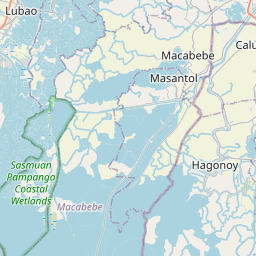
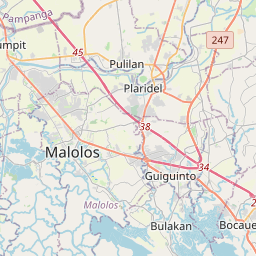
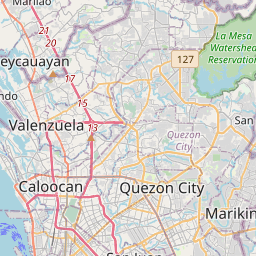
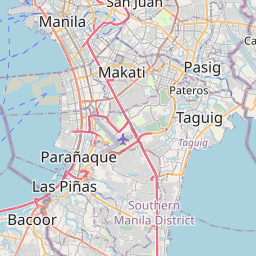
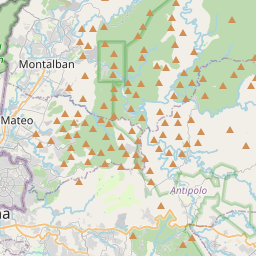
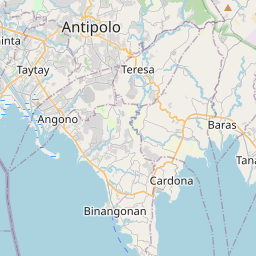
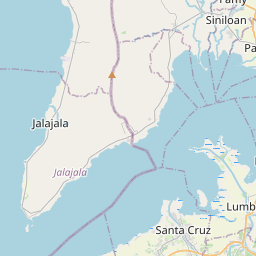
Territory map of Metro Manila
Dashed circles mark larger cities and towns where territories have not been mapped yet; their size reflects the estimated number of territories.








Territory data last updated .
Metro Manila is the largest urban market in the Philippines: sixteen cities and the municipality of Pateros, home to more than 13 million people according to the Philippine Statistics Authority, with millions more in the Cavite, Laguna, Rizal and Bulacan suburbs beyond. After-school tutorial centres are a familiar sight here, in malls, along commercial strips and next to school gates. For anyone considering a tutoring franchise in Metro Manila, the habit of paying for help is already established. What is often missing is a consistent, measurable programme.
Success Tutoring has no centres in the Philippines yet. It is looking for franchise partners in Metro Manila, and a master franchise partner for the country, with territories drawn alongside those partners.
The school system Manila parents navigate
Philippine schooling follows the K to 12 programme created by the Enhanced Basic Education Act of 2013: kindergarten, six years of elementary school, four years of Junior High School and two years of Senior High School, where students choose a track such as STEM, ABM or HUMSS. The Department of Education (DepEd) runs public schools and regulates private ones.
Three changes are shaping what families need right now:
- The MATATAG curriculum. DepEd is phasing in MATATAG to replace the K to 10 curriculum, reaching Grades 3, 6 and 9 in school year 2026–2027 and Grade 10 the year after. It reduces the number of competencies and puts more weight on foundational reading and numeracy.
- The National Achievement Test (NAT). DepEd administers the NAT in Grades 6, 10 and 12, and results are watched closely by schools.
- Learning recovery. The ARAL Program, set up under Republic Act 12028 in 2024, provides government tutorial support in reading, Mathematics and Science for struggling learners, a public acknowledgement that many children need help beyond the classroom.
The National Capital Region also has the country's biggest private school sector, from parochial and Chinese-Filipino schools to international schools in Taguig and Muntinlupa. At the top end, the UPCAT, the Ateneo ACET, the DLSU entrance test and the USTET create competition for university places.
Why tutoring demand runs deep in the capital
English is economic currency. English is a medium of instruction and the working language of much of Manila's services economy, from BPO firms in Ortigas and Bonifacio Global City to healthcare careers abroad. Parents see strong English as a long-term investment.
Maths gaps are visible. Filipino 15-year-olds scored well below the OECD average in mathematics in PISA 2022, and parents notice the same gaps at home when homework gets harder in Grades 4 to 7.
Busy households. Long commutes on EDSA and dual-income jobs leave many parents unable to supervise homework every night. A reliable centre near home or school, open on weekday afternoons and Saturdays, can help with that.
A franchise-friendly culture. Franchising is a mainstream route into business in the Philippines, and Manila landlords and mall operators are used to franchised education brands.
Where to look in Metro Manila
Territories in the Philippines have not been drawn yet. A partner would plan them with head office around catchments of families. Strong starting points include:
- Quezon City, the most populous city in the region, with family districts around Fairview, Commonwealth, Diliman and Novaliches.
- Pasig, Mandaluyong and San Juan, where Ortigas Center and Kapitolyo combine offices and established neighbourhoods.
- Taguig and Makati, including BGC and the villages around them, with high-income households and international schools.
- The south: Parañaque, Las Piñas and Muntinlupa, including Alabang, BF Homes and Sucat.
- Caloocan, Valenzuela and Malabon in the north, large communities with many young families.
- The suburban ring, such as Bacoor and Imus in Cavite and Antipolo and Cainta in Rizal, where new subdivisions are filling with families who commute into the city.
Running a Success Tutoring centre in Manila
A Manila centre would run on a membership model: students come weekly, follow a structured program and their progress is reported to parents. Head office support may include site selection (a mall unit or a street-front space near schools), lease negotiation and fit-out, tutor recruitment and training through its online platform, learning resources, and launch and marketing support for opening a new centre. Its scope is defined in the franchise agreement and disclosure documents.
The brand was founded in Sydney in 2017 and has been franchising since around 2020. Its partners include former corporate managers, engineers and accountants, not only educators. A master franchise partner for the Philippines would also plan territories and recruit unit partners across Luzon, the Visayas and Mindanao.
Frequently asked questions
How does Success Tutoring differ from a neighbourhood tutorial centre?
Many tutorial centres focus on homework help or exam cramming. Success Tutoring uses a membership model with regular weekly sessions, a structured programme, trained tutors and progress tracking, aiming for steady work across the year rather than short bursts before tests.
Would the programme follow MATATAG?
Tutors work from each student's level, and a Philippine partner would work with head office on how sessions relate to DepEd competencies and private school sequences.
How is franchising regulated in the Philippines?
There is no standalone franchise law. Franchise agreements are treated as technology transfer arrangements under the Intellectual Property Code, which lists clauses an agreement must and must not contain. You will also need local business permits. Seek independent legal advice before signing.
Could I start in a mall?
Possibly. Many Manila families shop and run errands in malls, and centres can work well there. Site selection is done with head office, based on your territory's catchment.
Read our Philippines tutoring franchise guide, compare with Cebu and Davao, or see how the process works.
Cities and towns in Metro Manila not yet mapped
These cities and towns of 50,000 or more people have no territories on the map yet. A franchise partner who wants one of them can work with us to draw a new territory.
| City or town | Residents | Estimated territories |
|---|---|---|
| Quezon City | 2,761,720 | 55 |
| Manila | 1,600,000 | 32 |
| Caloocan City | 1,500,000 | 30 |
| Taguig | 644,473 | 13 |
| Pasig City | 617,301 | 12 |
| Las Piñas | 590,000 | 12 |
| Antipolo | 549,543 | 11 |
| Makati City | 510,383 | 10 |
| Pasay | 416,522 | 8 |
| Bacoor | 356,974 | 7 |
| Mandaluyong City | 305,576 | 6 |
| Cainta | 283,172 | 6 |
| Navotas | 249,463 | 5 |
| Taytay | 231,460 | 5 |
| Meycauayan | 184,839 | 4 |
| San Mateo | 134,327 | 3 |
| San Juan | 121,430 | 2 |
| Cavite City | 115,932 | 2 |
| Tanza | 105,510 | 2 |
| Marilao | 83,276 | 2 |
| Kawit | 73,210 | 1 |
| Obando | 59,929 | 1 |
Population figures from GeoNames (latest available). Territory estimates assume about 50,000 residents per territory and are indicative only.
Explore nearby
Secure a territory in Metro Manila
Talk to our franchise team about the territory you want, the investment and the support available.