United States · Opportunity market
Tutoring Franchise New York City
Success Tutoring is seeking franchise partners across New York City's five boroughs, where the SHSAT, middle and high school admissions and the Regents shape family life from elementary school onwards.
- Estimated territories in larger cities
- 397
Figures are census-based totals for the available and reserved territories on the Success Tutoring territory map. Sold territories are not shown. Estimates for unmapped cities assume about 50,000 residents per territory.
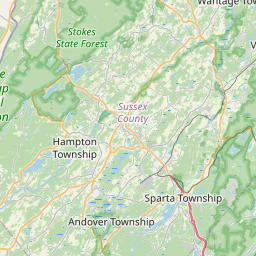
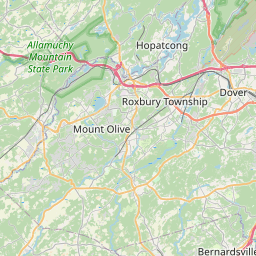
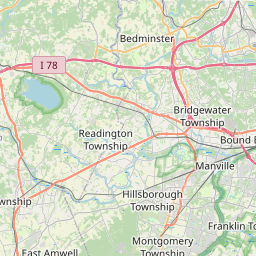
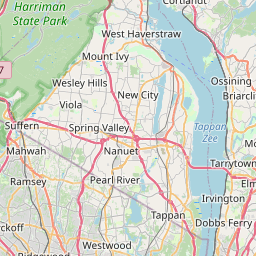
Territory map of New York City
Dashed circles mark larger cities and towns where territories have not been mapped yet; their size reflects the estimated number of territories.




Territory data last updated .
New York City runs the largest public school system in the United States, and few places have a more intense relationship with school admissions. Success Tutoring launched in the US in Texas and is looking for franchise partners to bring its membership-based K–12 English and math centers to the five boroughs. A tutoring franchise in New York City would make you one of the first Success Tutoring partners in New York State, with territories drawn with you around the neighborhoods you know.
The city has around 8.5 million residents, according to the US Census Bureau, and New York City Public Schools serves roughly 900,000 students in more than 1,600 schools. Add the city's Catholic schools, yeshivas, independent schools and charter networks, and the scale of the K–12 market is hard to match anywhere in the country.
New York's standards and tests
The New York State Education Department (NYSED) sets the Next Generation Learning Standards for English language arts and math. Students take state tests in ELA and math from grade 3 to grade 8, and those results feed directly into middle and high school admissions in many parts of the city.
In high school, students sit Regents exams in subjects such as Algebra I, Geometry, English, Living Environment and US History. The Board of Regents has voted to move away from requiring Regents passes for graduation, with the change being phased in over the next few years and a new single state diploma planned. The exams themselves are expected to continue during the transition, and they still matter for course placement and advanced diplomas.
The admissions maze that drives demand
What makes New York different is how many school transitions involve competition:
- Specialized high schools. Eight of the city's nine specialized high schools, including Stuyvesant, Bronx Science and Brooklyn Tech, admit students solely on their score on the SHSAT (Specialized High Schools Admissions Test), taken in grade 8 or grade 9. LaGuardia admits by audition. Preparation often starts years earlier.
- Gifted and talented programs. Elementary G&T programs have changed admissions methods several times in recent years, but they remain sought after, and families focus on early reading and math.
- Middle and high school applications. Many programs consider grades and attendance, so students' academic records from grade 4 and grade 7 carry weight.
- Hunter College High School runs its own entrance exam for grade 7 entry.
- Catholic high schools use the TACHS exam, and independent schools typically require the ISEE or SSAT.
Why New York families use tutoring
Families across every borough treat after-school learning as normal, not remedial. Immigrant communities from China, Korea, South Asia, the Caribbean, West Africa, the former Soviet Union and Latin America often see education as the main route to opportunity. Many households also have both parents working long hours and want a safe, structured place for children to go after school. And because admissions decisions arrive at fixed points, parents want steady progress rather than a scramble the summer before.
Neighborhoods with potential
Success Tutoring has not yet drawn territories in New York City. Neighborhoods it would look at with partners include:
- Queens: Flushing, Bayside, Fresh Meadows, Forest Hills, Elmhurst, Jackson Heights, Richmond Hill and Astoria, home to some of the strongest tutoring demand in the city.
- Brooklyn: Bensonhurst, Bay Ridge, Sunset Park, Sheepshead Bay, Gravesend, Borough Park, Midwood and Canarsie.
- Staten Island: family-oriented neighborhoods across the North and South Shores with comparatively fewer tutoring options.
- The Bronx: Riverdale, Parkchester, Throgs Neck and the Fordham area.
- Manhattan: Washington Heights, Inwood, the Upper West Side and Lower Manhattan.
What running a center in NYC involves
Partners run a street-level, retail-style center close to schools and transit, where students attend weekly as members. Support can include site selection and leasing, which matters in New York's competitive retail market, plus fit-out, tutor recruitment and training, learning resources and a structured program, and launch marketing support. The franchise agreement and disclosure documents set out what applies.
You do not need a teaching background. With CUNY campuses in every borough plus Columbia, NYU, Fordham and many more, the city has many possible sources of tutors.
Frequently asked questions
Is New York a franchise registration state?
Yes. Franchisors must register with the New York State Attorney General before offering or selling franchises in New York, and the FTC Franchise Rule requires the Franchise Disclosure Document at least 14 days before you sign or pay. Seek independent legal advice.
Can a Success Tutoring center help with SHSAT preparation?
Sessions focus on reading comprehension, writing and math, skills that admissions tests such as the SHSAT draw on. The membership model suits families who want to start years ahead rather than cramming in grade 8. No particular test result can be promised.
Which borough is best for a tutoring franchise?
Queens and southern Brooklyn have strong interest in tutoring, while Staten Island and parts of the Bronx may have fewer competitors. Territories are drawn with you around a catchment of households and schools.
What happens to tutoring demand as Regents requirements change?
The Regents shift does not change the admissions points that drive most demand in the city, such as G&T, middle school, the SHSAT and Catholic and independent school entry. Strong reading and math skills remain the goal throughout.
See the New York State tutoring franchise page, read the guide to a tutoring franchise in the USA, or learn how the process works.
Cities and towns in New York City not yet mapped
These cities and towns of 50,000 or more people have no territories on the map yet. A franchise partner who wants one of them can work with us to draw a new territory.
| City or town | Residents | Estimated territories |
|---|---|---|
| New York City | 8,175,133 | 164 |
| Brooklyn | 2,300,664 | 46 |
| Queens | 2,272,771 | 45 |
| Manhattan | 1,487,536 | 30 |
| The Bronx | 1,385,108 | 28 |
| Staten Island | 468,730 | 9 |
| Newark | 281,944 | 6 |
| Jersey City | 264,290 | 5 |
| Jamaica | 216,866 | 4 |
| Yonkers | 201,116 | 4 |
| East Flatbush | 178,464 | 4 |
| Washington Heights | 152,613 | 3 |
| Astoria | 150,165 | 3 |
| Borough Park | 149,248 | 3 |
| Paterson | 147,754 | 3 |
| Elizabeth | 129,007 | 3 |
| Sheepshead Bay | 122,534 | 2 |
| East Harlem | 115,921 | 2 |
| Elmhurst | 113,364 | 2 |
| Bushwick | 112,620 | 2 |
| Gravesend | 112,229 | 2 |
| Corona | 109,698 | 2 |
| Richmond Hill | 98,984 | 2 |
| Fordham | 94,678 | 2 |
| Flatbush | 93,361 | 2 |
| Canarsie | 87,366 | 2 |
| Clifton | 86,334 | 2 |
| New Rochelle | 79,846 | 2 |
| Kings Bridge | 75,132 | 2 |
| Brownsville | 74,497 | 1 |
| Passaic | 71,085 | 1 |
| Union City | 69,156 | 1 |
| Mount Vernon | 68,628 | 1 |
| Forest Hills | 67,714 | 1 |
| Jackson Heights | 67,067 | 1 |
| Bayside | 66,455 | 1 |
| Bayonne | 66,311 | 1 |
| Parkchester | 65,876 | 1 |
| East Orange | 64,949 | 1 |
| Flatlands | 63,601 | 1 |
Population figures from GeoNames (latest available). Territory estimates assume about 50,000 residents per territory and are indicative only.
Explore nearby
Secure a territory in New York City
Talk to our franchise team about the territory you want, the investment and the support available.