United States · Opportunity market
Tutoring Franchise Arizona
Arizona's fast-growing suburbs, school choice culture and AASA testing make it a strong opportunity market. Success Tutoring is looking for franchise partners to bring its K–12 English and math centers to the Valley and beyond.
- Estimated territories in larger cities
- 110
Figures are census-based totals for the available and reserved territories on the Success Tutoring territory map. Sold territories are not shown. Estimates for unmapped cities assume about 50,000 residents per territory.
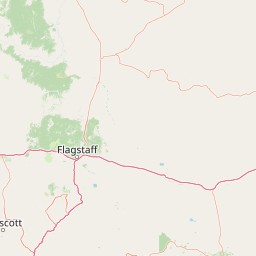
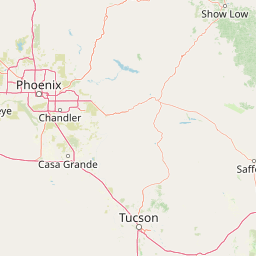
Territory map of Arizona
Dashed circles mark larger cities and towns where territories have not been mapped yet; their size reflects the estimated number of territories.

Territory data last updated .
Arizona is one of the places where American families are moving fastest, and that makes it a natural next step for a tutoring franchise. Success Tutoring's American story began in Dallas, Texas, and the brand is now widening its search for partners beyond Texas. Whoever opens in Arizona would be one of the first Success Tutoring operators in the state, with territories drawn around the suburbs they know best.
The case rests on simple numbers. Arizona has more than 7 million residents, by the US Census Bureau's count, and Maricopa County, which covers Phoenix and most of the Valley, has been one of the fastest-growing counties in the country for years. Much of that growth is young families buying homes on the edges of the metro, a long way from established after-school services.
How schooling works in Arizona
The Arizona Department of Education oversees public schools, and the State Board of Education sets Arizona's Academic Standards in English language arts and mathematics. Students in grades 3 through 8 sit the Arizona's Academic Standards Assessment (AASA) each spring, and the state uses the ACT as its high school assessment. Results feed into the state's A–F letter grades for schools, which are published and widely discussed by parents.
Two features shape the Arizona market more than most:
- Move On When Reading. Arizona law puts a spotlight on reading by the end of grade 3. Parents of young children pay close attention to early literacy, and that is where tutoring often begins.
- School choice at scale. Arizona has one of the largest charter school sectors in the country, open enrollment between districts, and, since 2022, universal Empowerment Scholarship Accounts. Families shop around, compare results, and are used to paying for education services that suit their child.
District names matter here. Mesa Public Schools is the largest district in the state, while Chandler Unified, Gilbert Public Schools, Queen Creek Unified, Peoria Unified, Deer Valley Unified and Scottsdale Unified serve many of the suburban families most likely to look for a tutoring center. Charter networks such as BASIS, Great Hearts and Legacy Traditional add another layer of competition for strong results.
What drives tutoring demand in Arizona
Because families move between district, charter and private options, they want an independent way to keep their child on track whichever school they choose. Many arrive from California, the Midwest and other states and need to adjust to Arizona's standards and testing. Parents preparing for selective charter or honors placements want steady math and writing practice rather than a rush before an entrance test.
Commuting also plays a part. Long drives across the Valley mean dual-income parents want a reliable, local center close to home or school, with a fixed weekly time. A membership model, where students attend regular sessions in English and math, fits that routine.
Where the opportunity sits
No Arizona territories have been drawn yet. Boundaries are set together with each new partner, based on census figures for households, school-age children and schools. The places we expect to look at first include:
- The Southeast Valley: Gilbert, Chandler, Queen Creek, San Tan Valley and Mesa's eastern edge, where new master-planned communities keep adding families.
- The West Valley: Goodyear, Buckeye, Surprise, Avondale and Peoria, among the fastest-growing cities in the state, with the Loop 303 corridor opening up new neighborhoods.
- The North Valley and Scottsdale: Deer Valley, north Phoenix and Scottsdale, where families are often focused on honors tracks and college preparation.
- Southern Arizona: Tucson's growth areas such as Marana, Oro Valley and Vail, and the suburbs along the I-10.
The live map and table on this page update as territories are drawn and reserved.
Opening a Success Tutoring center in Arizona
An Arizona partner has access to the Success Kit and to head office support through the setup stages: picking a shopping center, negotiating the lease, planning the fit-out and hiring staff. Tutors are trained through an online platform and work from the brand's learning resources and structured program. Head office can also help plan local marketing for the period before and after opening, whether that is in Gilbert, Buckeye or Tucson. The franchise agreement and FDD set out the support in detail.
You do not need to have taught. Your role is to run the business, lead a small team and become a familiar face in the community, while tutors handle instruction. Arizona partners receive ongoing support from the Success Tutoring team as the business grows.
Frequently asked questions
Does Arizona require franchise registration?
Arizona is not among the states that make franchisors register an offering before selling it. Federal rules still apply: under the FTC Franchise Rule, a franchisor must hand you its Franchise Disclosure Document (FDD) no fewer than 14 calendar days before you sign a binding agreement or pay any money. Have the documents reviewed, and seek independent legal advice.
Do Empowerment Scholarship Accounts affect tutoring demand?
ESAs have made Arizona families more used to choosing and paying for education services themselves. Whether a particular family can use an ESA for a given service depends on the program's current rules, so partners should check the Arizona Department of Education's guidance rather than assume.
Is Phoenix or Tucson the better place to start?
Most families with school-age children live in the Phoenix metro, especially the Southeast and West Valley suburbs, so demand is likely to be concentrated there. Tucson and its fast-growing suburbs are also on the list. The right answer depends on where you live and can build local connections.
What makes AASA results important to parents?
AASA results and the A–F school grades are public, and families use them to choose schools and judge their child's progress. A clear weekly program in reading, writing and math can help parents feel better informed before and after test season.
Thinking about bringing Success Tutoring to the Valley or Tucson? Start with the investment schedule, read about our launch support, or browse every open market on the franchise territories page.
Cities and towns in Arizona not yet mapped
These cities and towns of 50,000 or more people have no territories on the map yet. A franchise partner who wants one of them can work with us to draw a new territory.
| City or town | Residents | Estimated territories |
|---|---|---|
| Phoenix | 1,563,025 | 31 |
| Tucson | 531,641 | 11 |
| Mesa | 471,825 | 9 |
| Chandler | 260,828 | 5 |
| Gilbert | 247,542 | 5 |
| Glendale | 240,126 | 5 |
| Scottsdale | 236,839 | 5 |
| Maryvale | 208,189 | 4 |
| Tempe | 175,826 | 4 |
| Peoria | 171,237 | 3 |
| Deer Valley | 165,656 | 3 |
| Tempe Junction | 158,368 | 3 |
| Surprise | 128,422 | 3 |
| Alhambra | 127,764 | 3 |
| Yuma | 94,139 | 2 |
| Ahwatukee Foothills | 83,464 | 2 |
| San Tan Valley | 81,321 | 2 |
| Avondale | 80,684 | 2 |
| Goodyear | 79,003 | 2 |
| Flagstaff | 70,320 | 1 |
| Casas Adobes | 66,795 | 1 |
| Lake Havasu City | 53,553 | 1 |
| Casa Grande | 51,460 | 1 |
| Buckeye | 50,876 | 1 |
| Catalina Foothills | 50,796 | 1 |
Population figures from GeoNames (latest available). Territory estimates assume about 50,000 residents per territory and are indicative only.
Explore nearby
- Tutoring Franchise Phoenix
- Tutoring Franchise Alabama
- Tutoring Franchise Alaska
- Tutoring Franchise Arkansas
- Tutoring Franchise California
- Tutoring Franchise Colorado
- Tutoring Franchise Connecticut
- Tutoring Franchise Delaware
- Tutoring Franchise Florida
- Tutoring Franchise Georgia
- Tutoring Franchise Hawaii
- Tutoring Franchise Idaho
- Tutoring Franchise Illinois
Secure a territory in Arizona
Talk to our franchise team about the territory you want, the investment and the support available.