United States · Opportunity market
Tutoring Franchise Atlanta
Metro Atlanta's fast-growing suburbs, competitive county school systems and Georgia Milestones testing make it a strong market for a K–12 tutoring franchise. Success Tutoring is looking for its first Atlanta partners.
- Estimated territories in larger cities
- 20
Figures are census-based totals for the available and reserved territories on the Success Tutoring territory map. Sold territories are not shown. Estimates for unmapped cities assume about 50,000 residents per territory.
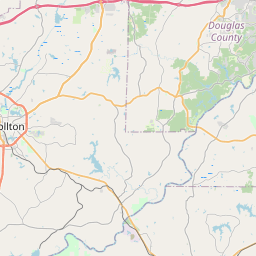
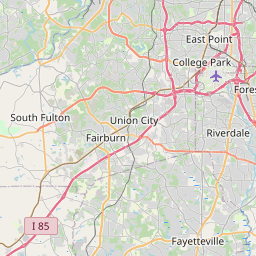
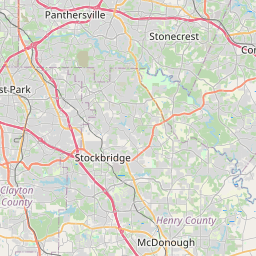
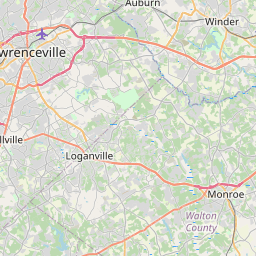
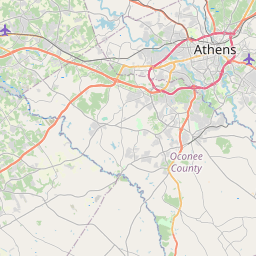
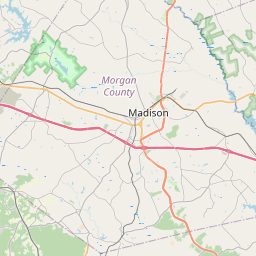
Territory map of Atlanta
Dashed circles mark larger cities and towns where territories have not been mapped yet; their size reflects the estimated number of territories.









Territory data last updated .
Atlanta is one of the fastest-growing metro areas in the United States, and most of that growth is in the suburbs where young families buy their first or second home. For anyone weighing a tutoring franchise in Atlanta, that matters more than the skyline: the demand for after-school English and math help sits in places like Johns Creek, Alpharetta, Suwanee, Marietta and Smyrna, where large county school systems compete hard on results.
Our US story began in Texas, where Dallas was the first market, and the brand is now looking beyond the Lone Star State. No Atlanta territory has been mapped so far. That makes an early Georgia partner part of the conversation about where boundaries fall, rather than someone choosing from what is left.
How schooling works in metro Atlanta
Public education in Georgia is overseen by the Georgia Department of Education. Students are taught to the Georgia Standards of Excellence, and the state recently introduced new K–12 math and English language arts standards that schools have been phasing in.
Progress is measured by Georgia Milestones:
- End-of-Grade (EOG) tests in English language arts and math for grades 3 to 8, plus science and social studies in some grades.
- End-of-Course (EOC) tests in high school subjects such as Algebra I (or Coordinate Algebra), American Literature and Composition, Biology and US History.
Metro Atlanta is unusual because it is dominated by big county-wide systems rather than many small districts. Gwinnett County Public Schools is the largest district in Georgia, and Cobb County, DeKalb County, Fulton County, Forsyth County and Cherokee County schools are all large in their own right. Atlanta Public Schools serves the city itself, alongside city systems such as Decatur and Marietta. Charter schools, a large private-school sector and well-known options such as the Gwinnett School of Mathematics, Science, and Technology add more choice, and more competition for places.
What drives tutoring demand in Atlanta
Three things come up again and again with Atlanta parents.
The HOPE Scholarship. Georgia's lottery-funded HOPE program helps with college tuition for students who graduate with a qualifying grade point average and keep it up in college. That puts real money on high-school grades, so families care about the foundations in middle school that make those grades possible.
Accelerated and gifted pathways. County systems run gifted programs and accelerated math tracks from elementary school, and placement depends on test scores and classroom performance. Parents who want their child in advanced math by middle school start early.
Dual Enrollment and AP. Georgia's Dual Enrollment program lets high-school students take college courses, and AP participation is high in the northern suburbs. Students need strong reading, writing and algebra to keep up.
On top of that, many families in Gwinnett and north Fulton relocated from other states or countries and want help adjusting to Georgia's standards and tests.
Where the opportunity is
The map has no Atlanta territories yet, which means the best areas have not been taken. Some places where families with school-age children are concentrated:
- North Fulton: Johns Creek, Alpharetta, Milton and Roswell, with high-performing schools and very engaged parents.
- Gwinnett County: Suwanee, Duluth, Lawrenceville, Peachtree Corners, Snellville and the Dacula and Buford areas, among the most diverse suburbs in the South.
- Cobb County: Marietta, Smyrna, Kennesaw and Acworth, where new housing continues along the I-75 corridor.
- Forsyth and Cherokee: Cumming, Woodstock and Canton, two of the fastest-growing counties in the state.
- Inside the Perimeter: Brookhaven, Decatur and Sandy Springs, with dense family neighborhoods and strong private-school competition.
Each territory gives one partner exclusive rights to a defined set of neighborhoods, sized using census counts of households, school-age children and schools, along with the tutoring businesses already operating nearby.
What an Atlanta partner actually does
The day-to-day job is running a bright storefront learning center in a suburban retail strip, where enrolled families bring their children every week for English and math, from kindergarten to grade 12. Head office support can cover picking and leasing the site, planning the fit-out, hiring and training tutors, and using the brand's learning resources and structured program, along with launch and marketing support for opening a new center in Gwinnett, Cobb or north Fulton. The specifics are in the franchise agreement and FDD.
Classroom experience is not a requirement. Partners have come from sales, IT, finance and operations roles, because the job is about leading people and earning the trust of local parents, with ongoing support from head office along the way.
Frequently asked questions
Is Georgia a franchise registration state?
No. Georgia is not on the list of states where a franchisor must register before selling. What protects you is federal: under the FTC Franchise Rule, the franchisor has to hand you its Franchise Disclosure Document (FDD) no later than 14 calendar days before you sign a binding agreement or hand over money. Seek independent legal advice and have a franchise attorney read the FDD with you.
Which parts of metro Atlanta suit a tutoring center best?
Areas with many families with children aged 5 to 17, good schools and busy retail centers tend to work best, such as north Fulton, Gwinnett and east Cobb. The data is reviewed with you before a territory is drawn.
How does a tutoring program fit with Georgia Milestones?
Success Tutoring concentrates on core reading, writing and math week after week rather than drilling for a single test. Those are the areas that Georgia Milestones EOG and EOC tests cover, and they matter again when students chase HOPE-level grades.
Can I be one of the first Success Tutoring partners in Georgia?
Yes. With no Atlanta territories drawn yet, early partners can have input into where the first centers go.
To take the next step, read how the process works, see the investment schedule, or explore our page on a tutoring franchise in Georgia.
Cities and towns in Atlanta not yet mapped
These cities and towns of 50,000 or more people have no territories on the map yet. A franchise partner who wants one of them can work with us to draw a new territory.
| City or town | Residents | Estimated territories |
|---|---|---|
| Atlanta | 463,878 | 9 |
| Sandy Springs | 105,330 | 2 |
| Roswell | 94,501 | 2 |
| Johns Creek | 83,335 | 2 |
| Alpharetta | 63,693 | 1 |
| Marietta | 59,067 | 1 |
| Smyrna | 56,146 | 1 |
| Brookhaven | 51,910 | 1 |
| Stonecrest | 50,000 | 1 |
Population figures from GeoNames (latest available). Territory estimates assume about 50,000 residents per territory and are indicative only.
Explore nearby
Secure a territory in Atlanta
Talk to our franchise team about the territory you want, the investment and the support available.