United States · Opportunity market
Tutoring Franchise Minneapolis
The Twin Cities combine open enrollment, a pioneering charter sector and fast-growing suburban districts. Explore what it takes to open a tutoring franchise in Minneapolis-St. Paul.
- Estimated territories in larger cities
- 32
Figures are census-based totals for the available and reserved territories on the Success Tutoring territory map. Sold territories are not shown. Estimates for unmapped cities assume about 50,000 residents per territory.
Territory map of Minneapolis
Dashed circles mark larger cities and towns where territories have not been mapped yet; their size reflects the estimated number of territories.


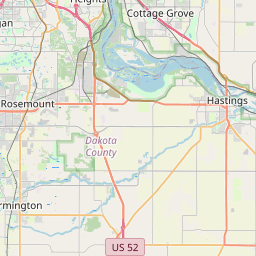


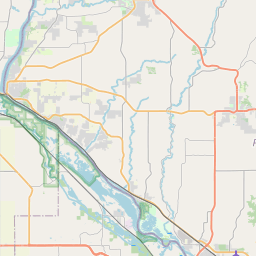
Territory data last updated .
Minnesota has long taken pride in its schools, and the Twin Cities are where that pride meets real competition. Families can choose among traditional districts, open enrollment into neighboring districts, charter schools, magnet programs and private schools. For a tutoring franchise in Minneapolis, that culture of choice means parents are informed, engaged and willing to invest in their children's learning.
After launching its US network in Texas, Success Tutoring is now looking north. There is no Upper Midwest location yet, so a Twin Cities partner would be breaking new ground.
How the Twin Cities measure learning
The Minnesota Department of Education (MDE) oversees public schools, which teach to the Minnesota Academic Standards. Students take the Minnesota Comprehensive Assessments (MCA):
- Reading MCA in grades 3 through 8 and grade 10.
- Mathematics MCA in grades 3 through 8 and grade 11.
- Science MCA in grade 5, grade 8 and once in high school.
Results are published for every school, and the Twin Cities media track them closely. Minnesota students have historically scored above the national average, but recent MCA results show that many students are not meeting grade-level standards in reading and math, and parents have noticed.
In 2023 the state passed the READ Act, which requires schools to use evidence-based reading instruction grounded in structured literacy and to screen students for reading difficulties in the early grades. Screening results give parents clearer information about where their child stands.
A market built on choice
Minnesota was the first state to pass a charter school law, in 1991, and it was an early adopter of statewide open enrollment. As a result, families in the Twin Cities are used to choosing schools rather than accepting the default. Minneapolis Public Schools and Saint Paul Public Schools compete with charter schools, while suburban districts such as Wayzata, Edina, Minnetonka, Eden Prairie and Rosemount-Apple Valley-Eagan (District 196) attract open-enrollment students from beyond their boundaries.
Large districts like Anoka-Hennepin, the biggest in the state, Osseo Area Schools, South Washington County Schools and Lakeville Area Schools serve fast-growing suburbs with diverse student populations, including many families of Somali, Hmong, Karen, Latino and South Asian heritage.
Why Twin Cities families invest in tutoring
- Keeping up in competitive districts. Families who moved or open-enrolled for a high-performing district want their children to stay on track for advanced math and honors classes.
- Reading support. READ Act screening and MCA reading scores push parents to look for help in the early grades.
- Math confidence. Math proficiency has lagged, and parents want structured practice rather than ad hoc homework help.
- Long winters, long evenings. Indoor after-school routines are part of family life, and a regular weekly session fits naturally.
Suburbs to watch across the metro
The metro has no mapped Success Tutoring boundaries yet. Here is where we would start the conversation:
- East Metro: Woodbury, Cottage Grove and Hugo, where South Washington County Schools continues to grow.
- South Metro: Lakeville, Apple Valley, Eagan, Burnsville, Farmington and Rosemount.
- Southwest Metro: Eden Prairie, Chanhassen, Chaska, Shakopee and Prior Lake, with new neighborhoods along the Highway 169 and 212 corridors.
- West and Northwest Metro: Plymouth, Maple Grove, Rogers and Wayzata, with strong household incomes and busy retail centers.
- North Metro: Blaine, Coon Rapids, Andover and Brooklyn Park, home to many young and multicultural families.
Running a Success Tutoring center in the Twin Cities
The Twin Cities are home to a long list of Fortune 500 headquarters, including Target, Best Buy, General Mills, 3M and UnitedHealth Group, and the managers and engineers who work there often have the skills a center owner needs. Instruction is handled by tutors, with head office support for hiring; your role is leadership, community and growth.
Support may include real estate and lease negotiation, store design, recruitment, the online tutor-training platform, learning resources and a structured program, and help planning marketing in Woodbury, Lakeville or Maple Grove before and after opening. The franchise agreement and Minnesota-registered disclosure document spell out what is provided.
Frequently asked questions
Is Minnesota a franchise registration state?
Yes. Before a franchisor can sell in Minnesota, it must register with the state Department of Commerce, and the Minnesota Franchise Act gives franchisees added protections. On top of that, the FTC rule sets a two-week minimum between disclosure and signing. Seek independent legal advice from a lawyer who knows the Minnesota Franchise Act.
How does open enrollment affect tutoring demand in Minneapolis?
Open enrollment means families actively choose schools and compare results. Parents who make that effort tend to keep investing in their child's progress, including through regular tutoring.
Which Twin Cities suburbs suit a tutoring center?
Woodbury, Lakeville, Maple Grove, Eden Prairie and Plymouth all have dense family neighborhoods and busy shopping corridors. The final choice comes down to visibility, parking and nearby competition.
See the statewide view on our Minnesota page, meet partners in franchise stories, or read about launch support.
Cities and towns in Minneapolis not yet mapped
These cities and towns of 50,000 or more people have no territories on the map yet. A franchise partner who wants one of them can work with us to draw a new territory.
| City or town | Residents | Estimated territories |
|---|---|---|
| Minneapolis | 410,939 | 8 |
| Saint Paul | 285,068 | 6 |
| Bloomington | 86,435 | 2 |
| Brooklyn Park | 79,149 | 2 |
| Plymouth | 75,907 | 2 |
| Maple Grove | 68,385 | 1 |
| Woodbury | 67,855 | 1 |
| Eagan | 66,286 | 1 |
| Eden Prairie | 63,496 | 1 |
| West Coon Rapids | 62,528 | 1 |
| Coon Rapids | 62,240 | 1 |
| Blaine | 62,124 | 1 |
| Burnsville | 61,481 | 1 |
| Minnetonka | 51,669 | 1 |
| Apple Valley | 51,221 | 1 |
| Edina | 50,138 | 1 |
| Minnetonka Mills | 50,117 | 1 |
Population figures from GeoNames (latest available). Territory estimates assume about 50,000 residents per territory and are indicative only.
Explore nearby
Secure a territory in Minneapolis
Talk to our franchise team about the territory you want, the investment and the support available.