United States · Opportunity market
Tutoring Franchise Minnesota
Success Tutoring is seeking franchise partners in Minnesota, from the Twin Cities suburbs to Rochester. Bring a membership-based K–12 English and math tutoring center to one of the Midwest's most school-focused states.
- Estimated territories in larger cities
- 38
Figures are census-based totals for the available and reserved territories on the Success Tutoring territory map. Sold territories are not shown. Estimates for unmapped cities assume about 50,000 residents per territory.
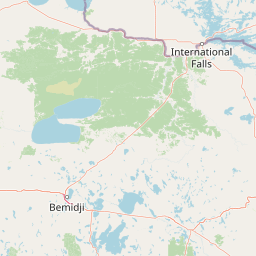
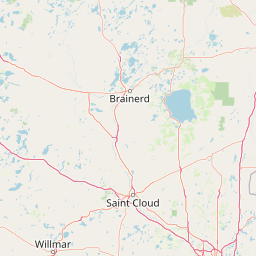
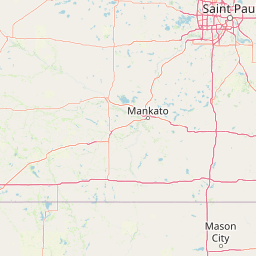
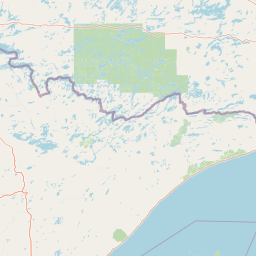
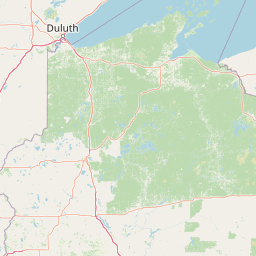
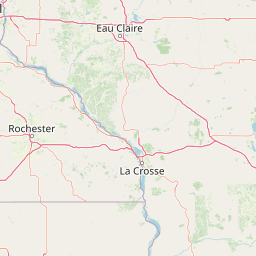
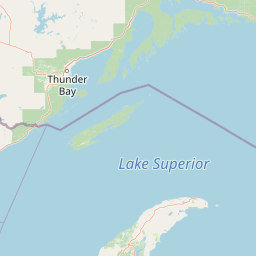
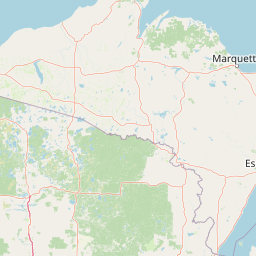
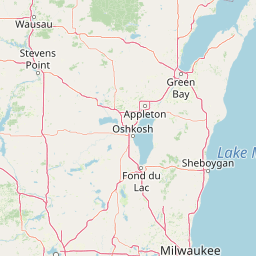
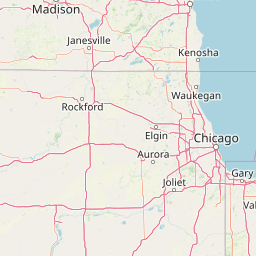
Territory map of Minnesota
Dashed circles mark larger cities and towns where territories have not been mapped yet; their size reflects the estimated number of territories.
Territory data last updated .
Minnesota built its reputation on schools. It is the state that wrote the first charter school law in the country in 1991, it has offered statewide open enrollment for decades, and its suburban districts are central to how families choose where to live. A tutoring franchise in Minnesota taps into that culture of school choice: parents who compare, move and invest to get the right fit for their children.
Success Tutoring launched in the United States in Texas and is expanding. No Minnesota territories have been mapped yet, so partners here would be among the first in the Upper Midwest and would help decide where territories are drawn.
Minnesota's school system and tests
The Minnesota Department of Education (MDE) sets the Minnesota K–12 Academic Standards and runs the Minnesota Comprehensive Assessments (MCA):
- Reading and math MCAs in grades 3 to 8, with reading again in grade 10 and math in grade 11.
- Science MCAs in grades 5 and 8 and once in high school.
Results are published school by school, and in the Twin Cities they are read closely, partly because Minnesota has some of the widest achievement gaps between student groups of any state. Families notice when results dip, and MCA scores in reading and math have been a frequent topic in local news since the pandemic.
Literacy is a particular focus. The Minnesota READ Act, passed in 2023, requires districts to screen young students for reading difficulties and use evidence-based reading instruction. As screening rolls out, more parents are learning early that their child needs support.
Minnesota families also have choices that are not common elsewhere:
- Statewide open enrollment, letting students attend districts outside the one they live in.
- Charter schools, which Minnesota pioneered.
- Postsecondary Enrollment Options (PSEO), which lets high school juniors and seniors take college courses for free, an option that rewards strong reading and math skills.
What drives demand for tutoring
Minnesota parents tend to be engaged and well informed. They know their district's ratings, and they act when a child falls behind. Common reasons families seek help include early reading support under the READ Act, math gaps in middle school before advanced tracks begin, readiness for PSEO and college coursework, and support for the state's large Somali, Hmong, Karen and Latino communities, many of whom want extra help in English.
Long winters also matter more than you might think. Indoor, scheduled activities that children attend every week through the school year are part of normal family life, and a tutoring membership fits that rhythm.
Where the opportunity is
The Twin Cities metro holds most of Minnesota's school-age children, and its growth is concentrated in the outer suburbs. Territories are drawn with partners, and the areas we would look at first include:
- The south metro: Lakeville, Apple Valley, Eagan, Burnsville, Prior Lake, Savage and Farmington, much of it served by the Rosemount-Apple Valley-Eagan and Lakeville districts.
- The east metro: Woodbury, Cottage Grove and the South Washington County district, one of the fastest-growing in the state.
- The west and southwest: Eden Prairie, Minnetonka, Edina, Chanhassen, Shakopee and Chaska.
- The north metro: Maple Grove, Plymouth, Brooklyn Park, Blaine, Coon Rapids and the Anoka-Hennepin district, the largest in Minnesota.
- Beyond the metro: Rochester, home to Mayo Clinic and a large professional workforce, plus St. Cloud and Duluth.
See the Minneapolis page for a closer look at the metro.
Running a center in Minnesota
Support for Minnesota partners can cover site selection and leasing, fit-out, tutor recruitment and training, learning resources and a structured program, and help planning local marketing around a center's opening. Exactly what is provided is set out in the franchise agreement and the Franchise Disclosure Document.
You do not need to be a teacher. Franchise partners lead the business and the team, and trained tutors deliver sessions. The University of Minnesota, the state university system and the metro's private colleges provide a deep pool of tutors.
Frequently asked questions
Is Minnesota a franchise registration state?
Yes. Minnesota requires franchisors to register with the Minnesota Department of Commerce before offering franchises, and the Minnesota Franchise Act includes protections for franchisees. The federal FTC Franchise Rule also requires that you receive the Franchise Disclosure Document at least 14 days before signing or paying. Seek independent legal advice.
Does open enrollment affect where a center should go?
It means families do not always attend the school closest to home, so territories are drawn around where families live and shop, using census data on households and children rather than district boundaries alone.
How does the READ Act change demand for tutoring?
Universal reading screening in early grades identifies more children who need help, earlier. Many parents then look for consistent support outside school, which is what a weekly membership provides.
Is Rochester an option, or only the Twin Cities?
Rochester is worth considering. It has a large professional workforce, growing family neighborhoods and fewer national tutoring brands than the Twin Cities.
To take the next step, read about how the process works, review the investment schedule, or browse all franchise territories.
Cities and towns in Minnesota not yet mapped
These cities and towns of 50,000 or more people have no territories on the map yet. A franchise partner who wants one of them can work with us to draw a new territory.
| City or town | Residents | Estimated territories |
|---|---|---|
| Minneapolis | 410,939 | 8 |
| Saint Paul | 285,068 | 6 |
| Rochester | 112,225 | 2 |
| Bloomington | 86,435 | 2 |
| Duluth | 86,110 | 2 |
| Brooklyn Park | 79,149 | 2 |
| Plymouth | 75,907 | 2 |
| Maple Grove | 68,385 | 1 |
| Woodbury | 67,855 | 1 |
| Eagan | 66,286 | 1 |
| Saint Cloud | 65,842 | 1 |
| Eden Prairie | 63,496 | 1 |
| West Coon Rapids | 62,528 | 1 |
| Coon Rapids | 62,240 | 1 |
| Blaine | 62,124 | 1 |
| Burnsville | 61,481 | 1 |
| Lakeville | 60,633 | 1 |
| Minnetonka | 51,669 | 1 |
| Apple Valley | 51,221 | 1 |
| Edina | 50,138 | 1 |
| Minnetonka Mills | 50,117 | 1 |
Population figures from GeoNames (latest available). Territory estimates assume about 50,000 residents per territory and are indicative only.
Explore nearby
- Tutoring Franchise Minneapolis
- Tutoring Franchise Alabama
- Tutoring Franchise Alaska
- Tutoring Franchise Arizona
- Tutoring Franchise Arkansas
- Tutoring Franchise California
- Tutoring Franchise Colorado
- Tutoring Franchise Connecticut
- Tutoring Franchise Delaware
- Tutoring Franchise Florida
- Tutoring Franchise Georgia
- Tutoring Franchise Hawaii
- Tutoring Franchise Idaho
Secure a territory in Minnesota
Talk to our franchise team about the territory you want, the investment and the support available.