United States · Opportunity market
Tutoring Franchise Connecticut
Success Tutoring is seeking franchise partners in Connecticut, from Fairfield County to the Hartford suburbs and the New Haven shoreline. Bring a membership-based K–12 English and math center to your town.
- Estimated territories in larger cities
- 32
Figures are census-based totals for the available and reserved territories on the Success Tutoring territory map. Sold territories are not shown. Estimates for unmapped cities assume about 50,000 residents per territory.
Territory map of Connecticut
Dashed circles mark larger cities and towns where territories have not been mapped yet; their size reflects the estimated number of territories.

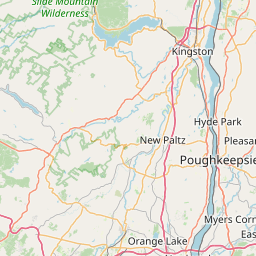


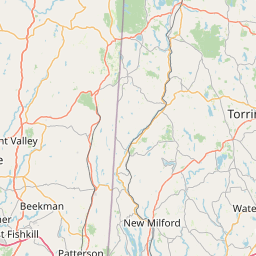
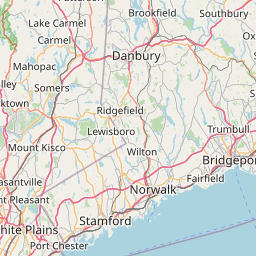

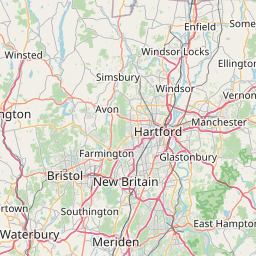
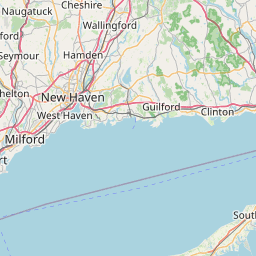
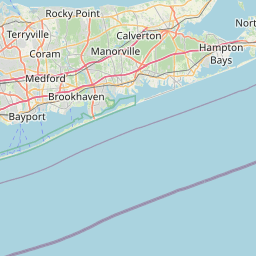

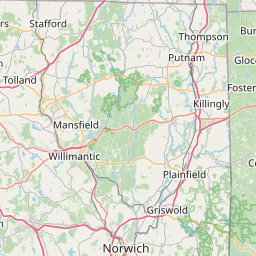
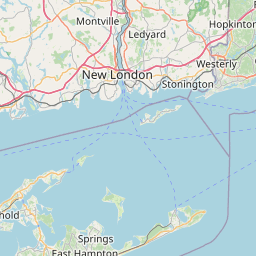

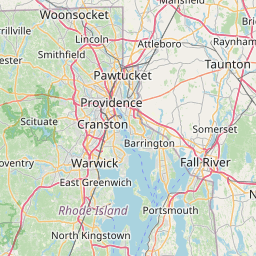

Territory data last updated .
Connecticut is a small state with a very particular school market: 169 towns, most with their own school district, and parents who choose where to live largely on the strength of those schools. A tutoring franchise in Connecticut works with that reality. Families have already invested heavily in their district, and they want their children to keep up with it.
Success Tutoring launched in the United States in Texas and is expanding into new states. No Connecticut territories have been mapped yet, so the first partners here would help decide where they are drawn and would be among the first Success Tutoring operators in New England.
The Connecticut school system
The Connecticut State Department of Education (CSDE) oversees public schools and has adopted the Connecticut Core Standards for English and math. The state's testing program has two main parts:
- Smarter Balanced assessments in English language arts and math in grades 3 to 8, along with the Next Generation Science Standards assessment in grades 5, 8 and 11.
- The SAT School Day in grade 11, which Connecticut uses as its high school state assessment. Every junior sits the SAT in school, free of charge, and the results feed the state's accountability system.
Using the SAT as the state test has a practical effect. College admissions testing is not something families opt into in Connecticut; it happens to every student, which puts high school math and reading readiness on every parent's radar from about grade 9.
Connecticut's other distinguishing features include an extensive magnet school system, much of it created after the Sheff v. O'Neill desegregation case in the Hartford region, the statewide Connecticut Technical Education and Career System of technical high schools, and a large independent school sector, particularly in Fairfield County and around Hartford.
Why tutoring demand is strong
Connecticut has some of the highest household incomes in the country, especially along the Gold Coast between Greenwich and Westport, and some of the widest achievement gaps between neighboring towns. Both create demand for tutoring, for different reasons:
- In high-performing suburbs, families want to keep children ahead for accelerated math tracks, honors courses and a strong SAT score.
- In families applying to magnet schools or independent schools, parents want help preparing for admission and adjusting once enrolled.
- In fast-changing communities, many families who moved from New York or abroad want help with the Connecticut curriculum and with English.
- Two-career commuter families, many working in Stamford, Hartford, New Haven or New York City, want a dependable after-school routine.
Success Tutoring's weekly membership model, with K–12 English and math sessions at a regular time, is designed for exactly that kind of family.
Where a center could fit
Without territories mapped yet, we look at where young families, schools and retail corridors meet. Promising areas include:
- Fairfield County: Stamford, Norwalk, Danbury, Fairfield, Trumbull, Shelton and Milford, where population density and commuter traffic support retail learning centers.
- Greater Hartford: West Hartford, Glastonbury, Farmington, Avon, Simsbury, South Windsor and Newington, all suburbs known for their schools.
- New Haven area: Hamden, Orange, North Haven, Branford, Cheshire and Wallingford.
- Central Connecticut: Southington and towns around New Britain and Bristol.
Territories are drawn using census data on households, children aged 5 to 17 and local schools, and each one is exclusive to its partner.
What running a center involves
Support for Connecticut partners can include site selection and leasing, fit-out guidance, tutor recruitment and training through the online franchise training platform, learning resources and a structured program, and help with local marketing before and after opening. The exact support is set out in the franchise agreement and FDD, which a Connecticut franchise attorney can walk you through.
You do not need a teaching background. Partners lead the business and the team, and trained tutors run the sessions. Connecticut's colleges, from UConn to Yale and the state universities, are worth approaching when recruiting tutors.
Frequently asked questions
How do franchise rules work in Connecticut?
Franchise sales nationwide are governed by the Federal Trade Commission's Franchise Rule, which requires you to receive a Franchise Disclosure Document at least 14 days before signing or paying. Connecticut has its own franchise relationship and business opportunity laws, so seek independent legal advice before you sign anything.
Does the SAT in grade 11 increase demand for tutoring in Connecticut?
It makes high school readiness visible to every family, because every junior sits the test. Many families see solid reading and math skills built over several years as the best preparation, and a weekly membership is designed around that kind of steady work.
Which part of Connecticut is best for a tutoring center?
It depends on where you live and know the community. Fairfield County and the Hartford suburbs combine high school standards with dense family neighborhoods, but strong opportunities exist across the state.
Can I run a center while commuting to New York?
Many franchise partners keep other commitments early on, but a center needs an owner who leads the team and the families. Talk to us about how the role fits your situation.
To take the next step, see how the process works, read about why tutoring is a strong sector, or view all franchise territories.
Cities and towns in Connecticut not yet mapped
These cities and towns of 50,000 or more people have no territories on the map yet. A franchise partner who wants one of them can work with us to draw a new territory.
| City or town | Residents | Estimated territories |
|---|---|---|
| Bridgeport | 147,629 | 3 |
| New Haven | 130,322 | 3 |
| Stamford | 128,874 | 3 |
| Hartford | 124,006 | 2 |
| North Stamford | 121,230 | 2 |
| Waterbury | 108,802 | 2 |
| Norwalk | 88,485 | 2 |
| Danbury | 84,657 | 2 |
| East Norwalk | 84,530 | 2 |
| New Britain | 72,808 | 1 |
| West Hartford | 63,268 | 1 |
| Bristol | 60,452 | 1 |
| Meriden | 59,988 | 1 |
| Hamden | 59,847 | 1 |
| Fairfield | 59,052 | 1 |
| West Haven | 54,927 | 1 |
| Milford | 52,759 | 1 |
| Stratford | 51,384 | 1 |
| City of Milford (balance) | 51,271 | 1 |
| East Hartford | 51,252 | 1 |
Population figures from GeoNames (latest available). Territory estimates assume about 50,000 residents per territory and are indicative only.
Explore nearby
- Tutoring Franchise Alabama
- Tutoring Franchise Alaska
- Tutoring Franchise Arizona
- Tutoring Franchise Arkansas
- Tutoring Franchise California
- Tutoring Franchise Colorado
- Tutoring Franchise Delaware
- Tutoring Franchise Florida
- Tutoring Franchise Georgia
- Tutoring Franchise Hawaii
- Tutoring Franchise Idaho
- Tutoring Franchise Illinois
Secure a territory in Connecticut
Talk to our franchise team about the territory you want, the investment and the support available.