Canada · Opportunity market
Tutoring Franchise Laval
Laval is Quebec's third-largest city, a diverse island suburb north of Montréal with many immigrant families and competitive secondary school admissions. Success Tutoring is seeking franchise partners in Laval and nearby Terrebonne.
- Estimated territories in larger cities
- 10
Figures are census-based totals for the available and reserved territories on the Success Tutoring territory map. Sold territories are not shown. Estimates for unmapped cities assume about 50,000 residents per territory.
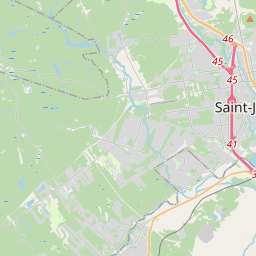
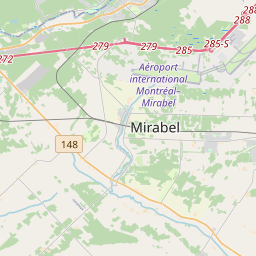
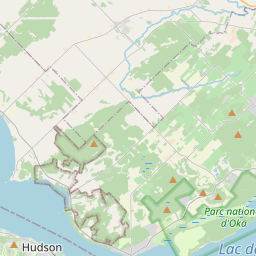
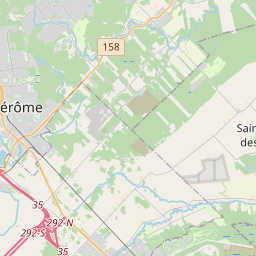
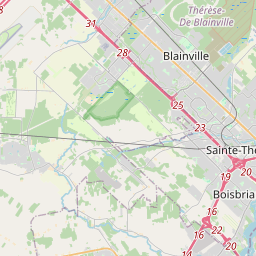
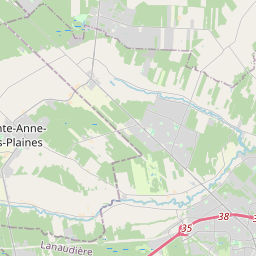
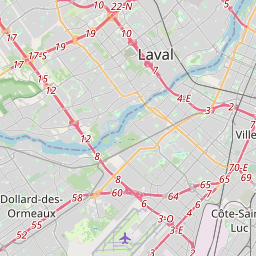
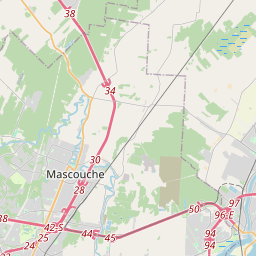
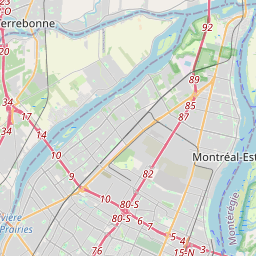
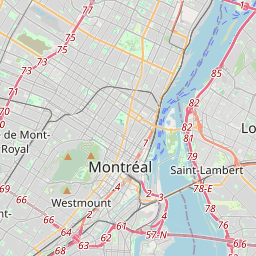
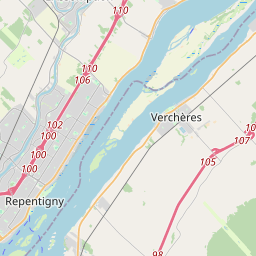
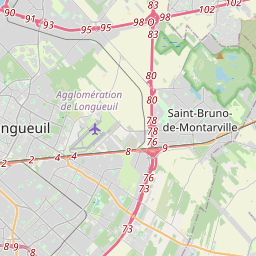
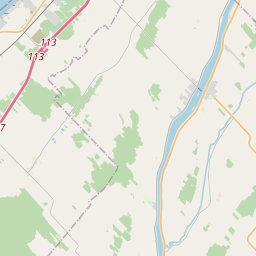
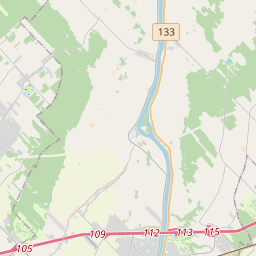
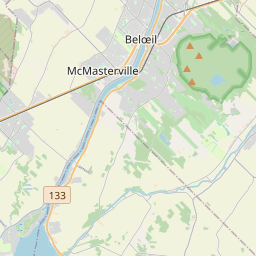
Territory map of Laval
Dashed circles mark larger cities and towns where territories have not been mapped yet; their size reflects the estimated number of territories.



Territory data last updated .
Laval occupies Île Jésus, the island just north of Montréal, and with about 440,000 residents counted in Statistics Canada's 2021 census it is the third-largest city in Quebec. It is a city of families: detached homes, townhouses and new condo towers, shopping centres such as Carrefour Laval and Centropolis, and one of the most culturally mixed populations in the province. For anyone weighing a tutoring franchise in Laval, that mix of languages and ambitions is the starting point.
Success Tutoring is launching in Canada and is looking for franchise partners in Laval and the neighbouring North Shore. There are no Laval territories on the map yet. They are expected to be drawn together with partners, around the districts they know best.
A city of newcomers and long-time francophones
Laval has drawn immigrant families for decades. Chomedey in particular is known for its Greek, Lebanese, Armenian, Arab and other communities, while more recent arrivals have settled across the island. Many households speak a third language at home alongside French and English. Long-established francophone neighbourhoods such as Sainte-Rose, Vimont and Duvernay sit alongside these, along with a sizeable anglophone community in the west.
That diversity shapes what parents ask for. Some want their children to catch up in French after arriving in Quebec. Others want stronger English, or a demanding routine to prepare for selective secondary schools. Almost all want consistency, because both parents often work, either in Laval itself or across the bridges in Montréal.
The school landscape on Île Jésus
Laval's schools follow the program of the Ministère de l'Éducation du Québec. French-language public schools are run by the Centre de services scolaire de Laval, one of the largest in the province. English-language public schools fall under the Sir Wilfrid Laurier School Board, which is headquartered in Laval and serves several regions north of Montréal. Admission to English public schools depends on a certificate of eligibility, so under Bill 101 most children, including those of immigrant families, study in French.
Private schooling is a big part of local life. Institutions such as Collège Laval and Collège Letendre draw students from across the island, and public schools offer international, enriched and specialized programs that also select students. Grade 6 is a crowded year: children write their Elementary 6 ministerial exams in French and mathematics while many sit entrance tests for these secondary programs.
Later pressure points include:
- Secondary III, when marks shape which Secondary IV math sequence a student can enter.
- Secondary IV ministerial exams in mathematics, science and technology, and history.
- Secondary V ministerial exams in the language of instruction and the second language, which count towards the Secondary School Diploma.
- CEGEP entry, often at Collège Montmorency in Laval or at CEGEPs on the island of Montréal, where science and health programs are competitive.
Why demand is strong in Laval
Several factors combine. Immigrant families often place a high value on education and are used to paying for after-school learning. Children who arrived recently may need help with French as the language of instruction. Bilingual and anglophone families want English skills to keep pace. And the private school admission cycle gives families a clear goal several years in advance.
Commuting adds another reason. Many Laval parents drive across the Rivière des Prairies or take the orange line Metro into Montréal, so a centre close to home and school is easier to fit into the week than something downtown.
Where families are settling
- Chomedey and Sainte-Dorothée, in the west, diverse and family-heavy, with ongoing residential development.
- Fabreville and Laval-Ouest, with many young families and newer housing.
- Sainte-Rose and Auteuil, on the north side of the island, popular with families looking for space.
- Vimont and Duvernay, established francophone districts with large residential areas.
- Laval-des-Rapides and Pont-Viau, near the Metro stations, where new apartment towers are going up around the Montmorency area.
- Terrebonne, across the Rivière des Mille Îles, one of the fastest-growing cities on the North Shore.
Running a centre in Laval
A Laval centre would operate under Quebec's language rules: French on signage, marketing, contracts and service, as required by the Charter of the French Language and Bill 96. With so many multilingual families, a partner who can also talk comfortably with parents in English or another community language would be a natural fit.
Support that may be available to partners covers site selection and leasing, fit-out, tutor recruitment and training, learning resources, marketing and launch planning; the franchise agreement and disclosure documents set out what is included. You do not need a teaching background. Students at Collège Montmorency and the Université de Montréal's Laval campus are a nearby source of potential tutors.
Frequently asked questions
What legal framework applies to a franchise in Laval?
Quebec has no franchise disclosure legislation. Franchise agreements in Laval are governed by the Civil Code of Québec, including its duty of good faith and its rules on contracts of adhesion, and the Charter of the French Language applies to contracts and marketing. Seek independent legal advice from a Quebec lawyer.
Is Laval treated as part of Montréal?
No. Laval is a separate city with its own school service centre, though it belongs to the Greater Montréal region. Our Montréal page covers the island and the South Shore.
Could a territory extend into Terrebonne or the North Shore?
Territories are expected to be drawn with each partner, so the North Shore can be discussed alongside Laval depending on where a partner wants to operate.
Which families would a Laval centre serve?
Laval's market spans francophone families, anglophone and bilingual families, and many immigrant households, all with children moving through French-language or English-language schools and preparing for secondary admissions and ministerial exams.
To learn more, visit the Quebec page, see how the process works or review the investment schedule.
Cities and towns in Laval not yet mapped
These cities and towns of 50,000 or more people have no territories on the map yet. A franchise partner who wants one of them can work with us to draw a new territory.
| City or town | Residents | Estimated territories |
|---|---|---|
| Laval | 376,845 | 8 |
| Terrebonne | 94,703 | 2 |
Population figures from GeoNames (latest available). Territory estimates assume about 50,000 residents per territory and are indicative only.
Explore nearby
Secure a territory in Laval
Talk to our franchise team about the territory you want, the investment and the support available.