United States · Opportunity market
Tutoring Franchise Pennsylvania
With 500 school districts, PSSA and Keystone exams, and growing suburbs from Chester County to Cranberry Township, Pennsylvania has broad interest in tutoring. Success Tutoring is seeking franchise partners statewide.
- Estimated territories in larger cities
- 48
Figures are census-based totals for the available and reserved territories on the Success Tutoring territory map. Sold territories are not shown. Estimates for unmapped cities assume about 50,000 residents per territory.
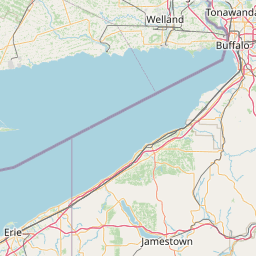
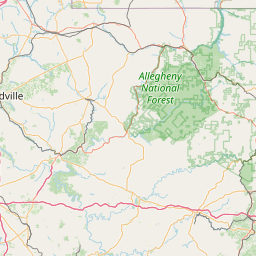
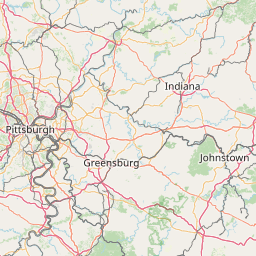
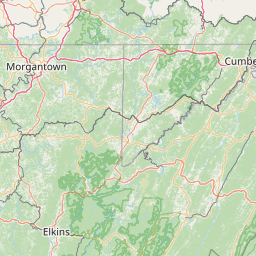
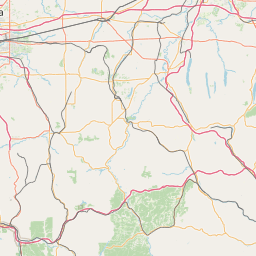
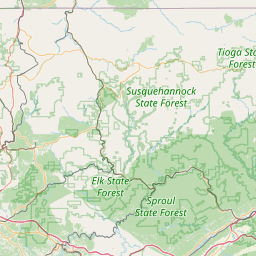
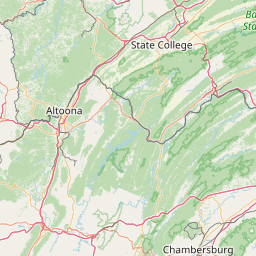
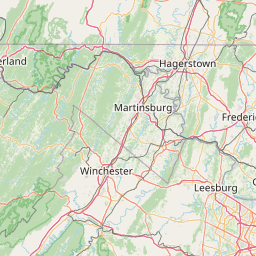
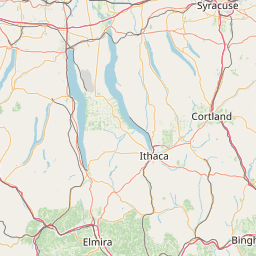
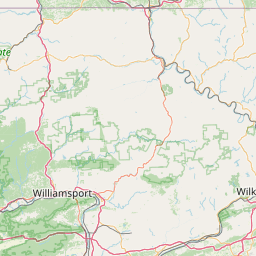
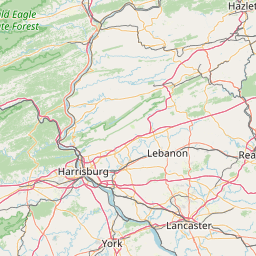
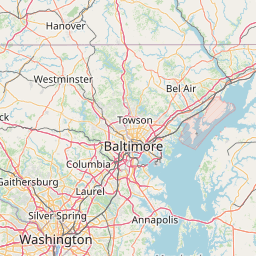
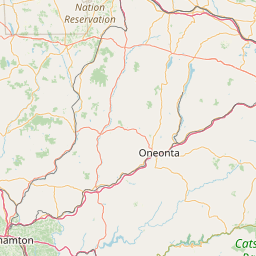
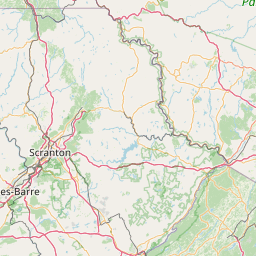
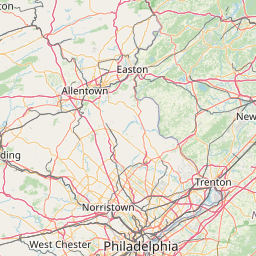
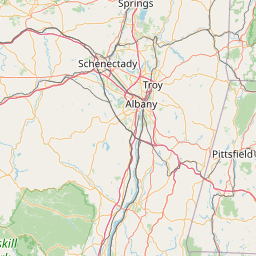
Territory map of Pennsylvania
Dashed circles mark larger cities and towns where territories have not been mapped yet; their size reflects the estimated number of territories.

Territory data last updated .
Pennsylvania has about 13 million residents, according to the US Census Bureau, and around 500 public school districts, so nearly every community has its own schools, its own test results and its own reputation. For a tutoring franchise in Pennsylvania, that patchwork creates a big, varied market, from the fast-growing suburbs west of Philadelphia to the North Hills of Pittsburgh and the steady growth of the Lehigh Valley and South Central Pennsylvania.
The brand began its US expansion in Texas and has no Pennsylvania centers yet. Early partners here would help choose the first territories, whether near Philadelphia, Pittsburgh or in between.
PSSA, Keystones and Pennsylvania standards
The Pennsylvania Department of Education oversees public schools, which follow the Pennsylvania Core Standards in English language arts and math. Two state testing programs matter most:
- Pennsylvania System of School Assessment (PSSA): English language arts and math in grades 3 through 8, plus science in grades 4 and 8.
- Keystone Exams: end-of-course exams in Algebra I, Literature and Biology, usually taken in middle or high school. Under state law, students can meet graduation requirements by scoring proficient on the Keystones or through one of several alternative pathways, and Keystone results still count toward school accountability.
Results appear on the state's Future Ready PA Index, which parents use to compare schools.
A crowded education market
Beyond the 500 districts, Pennsylvania has one of the largest Catholic school systems in the country, especially in the Archdiocese of Philadelphia and the Diocese of Pittsburgh, a large independent school sector, and a big cyber charter sector that enrolls students statewide. Philadelphia and Pittsburgh both have competitive magnet and special admission high schools, such as Central High School and Masterman in Philadelphia.
Why Pennsylvania families invest in tutoring
- Keystone Algebra I. Many students take Algebra I in grade 8 or 9, and families want their children ready for the course and the exam.
- Math placement and honors tracks. Suburban districts such as Lower Merion, North Allegheny and Central Bucks place students in accelerated math in middle school, and parents want to keep options open.
- Special admission schools. In Philadelphia, admission to criteria-based high schools depends on grades and attendance, so steady performance in grades 6 and 7 matters.
- College preparation. Pennsylvania has many universities, and families aiming for Penn State's main campus, Pitt or private colleges want strong grades and SAT scores.
As members, students attend weekly English and math sessions from kindergarten through grade 12, which gives them time to build toward the PSSA and Keystone Algebra I rather than cramming.
Where Pennsylvania is growing
Philadelphia's suburbs. Chester County towns such as Downingtown, Exton, West Chester and Phoenixville; Montgomery County communities in the North Penn, Perkiomen Valley and Methacton districts; and Bucks County towns such as Doylestown, Newtown and Warrington. For the city itself, see our Philadelphia tutoring franchise page.
Lehigh Valley. Allentown, Bethlehem and suburbs such as Macungie, Breinigsville and Nazareth have grown with warehousing, health care and families moving from New Jersey and New York.
Greater Pittsburgh. Cranberry Township in the Seneca Valley district, Wexford and the North Allegheny area, plus Mt. Lebanon, Upper St. Clair and Peters Township in the South Hills.
South Central Pennsylvania. Mechanicsburg and the Cumberland Valley district near Harrisburg, plus Lancaster and York counties, where growth has been steady.
Other markets. State College, Erie, Reading and the Scranton and Wilkes-Barre area each have established family populations.
Opening a Success Tutoring center in Pennsylvania
Support for Pennsylvania partners may include locating and leasing a storefront, planning the build-out, recruiting and training tutors (the state's many colleges are one source), learning resources and a structured program, and help with local marketing before and after opening. What is provided is set out in the franchise agreement and disclosure documents.
No teaching license is needed. Partners have come from corporate, engineering and finance roles and from small-business ownership.
Frequently asked questions
Do Keystone Exams still matter for graduation in Pennsylvania?
Keystone Exams remain one way to meet the state's graduation requirements, alongside alternative pathways set out in state law, and they still count for school accountability. Many families focus on Keystone Algebra I in particular.
Is a Pennsylvania franchise better in the Philadelphia or Pittsburgh area?
Both have strong suburbs. Chester, Montgomery and Bucks counties stand out near Philadelphia, while Cranberry Township and the North and South Hills stand out near Pittsburgh. The Lehigh Valley and Harrisburg area are also worth considering.
Does Pennsylvania require franchise registration?
Pennsylvania has no franchise registration law. The federal FTC Franchise Rule applies, requiring delivery of the FDD at least 14 days before you sign or pay. Have a Pennsylvania franchise attorney give you independent advice.
Is there a Success Tutoring center in Pennsylvania?
No. The brand is new to Pennsylvania and looking for its first partners across the state.
Read about why tutoring is a strong category, see how the process works, or read the guide to opening a tutoring franchise in the USA.
Cities and towns in Pennsylvania not yet mapped
These cities and towns of 50,000 or more people have no territories on the map yet. A franchise partner who wants one of them can work with us to draw a new territory.
| City or town | Residents | Estimated territories |
|---|---|---|
| Philadelphia | 1,567,442 | 31 |
| Pittsburgh | 304,391 | 6 |
| Allentown | 120,207 | 2 |
| Erie | 99,475 | 2 |
| Reading | 87,879 | 2 |
| Scranton | 77,118 | 2 |
| Bethlehem | 74,892 | 1 |
| Lancaster | 59,339 | 1 |
| Levittown | 52,983 | 1 |
Population figures from GeoNames (latest available). Territory estimates assume about 50,000 residents per territory and are indicative only.
Explore nearby
- Tutoring Franchise Philadelphia
- Tutoring Franchise Pittsburgh
- Tutoring Franchise Alabama
- Tutoring Franchise Alaska
- Tutoring Franchise Arizona
- Tutoring Franchise Arkansas
- Tutoring Franchise California
- Tutoring Franchise Colorado
- Tutoring Franchise Connecticut
- Tutoring Franchise Delaware
- Tutoring Franchise Florida
- Tutoring Franchise Georgia
- Tutoring Franchise Hawaii
- Tutoring Franchise Idaho
Secure a territory in Pennsylvania
Talk to our franchise team about the territory you want, the investment and the support available.